Intelligent Firefighting Solution
I. Firefighting Rescue Solution: Rapid Response, Intelligent Fire Control, Guarding Lives
1. All-Terrain & All-Disaster Adaptability: Fearless of Extremes, Mission Accomplished
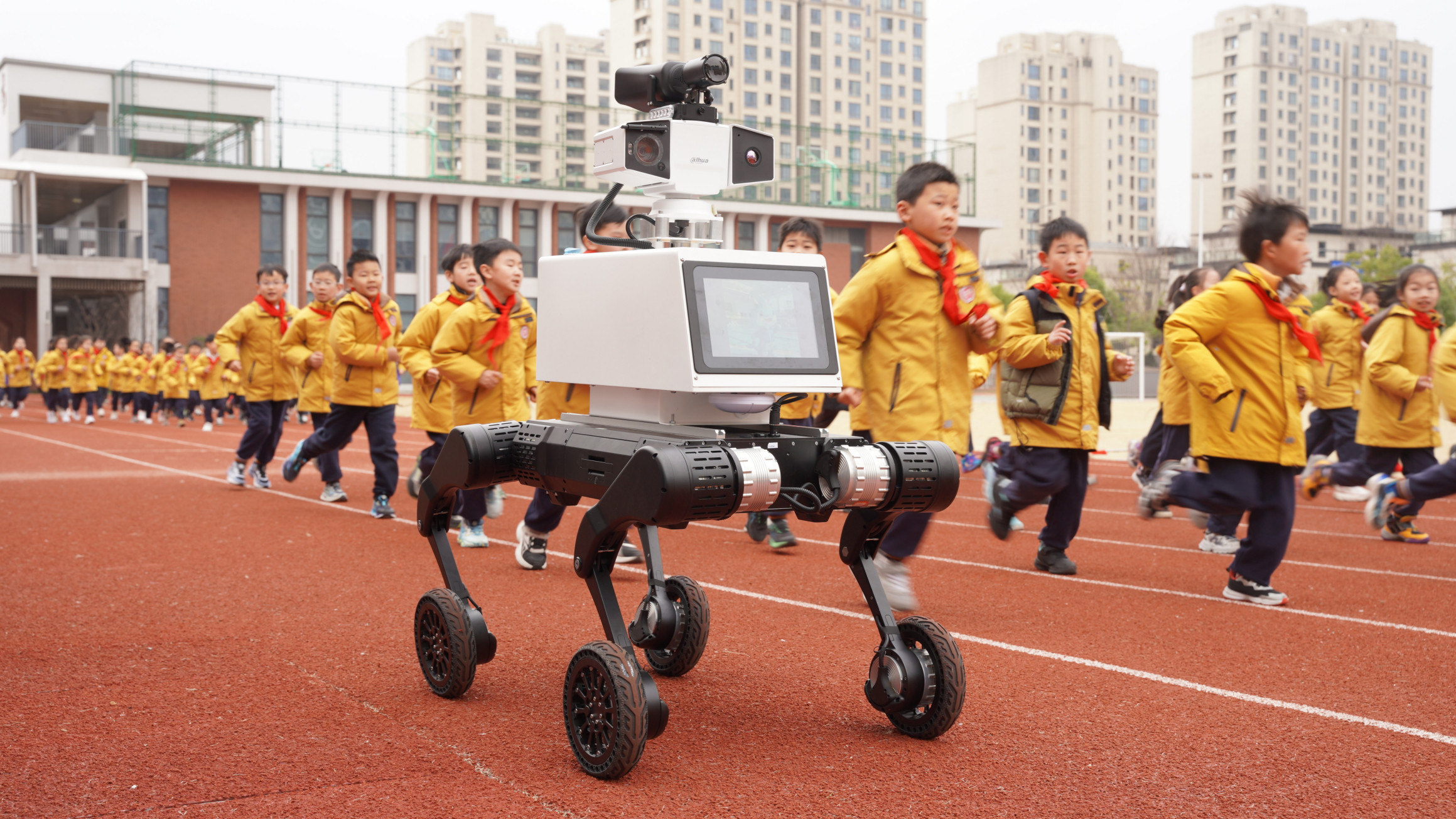
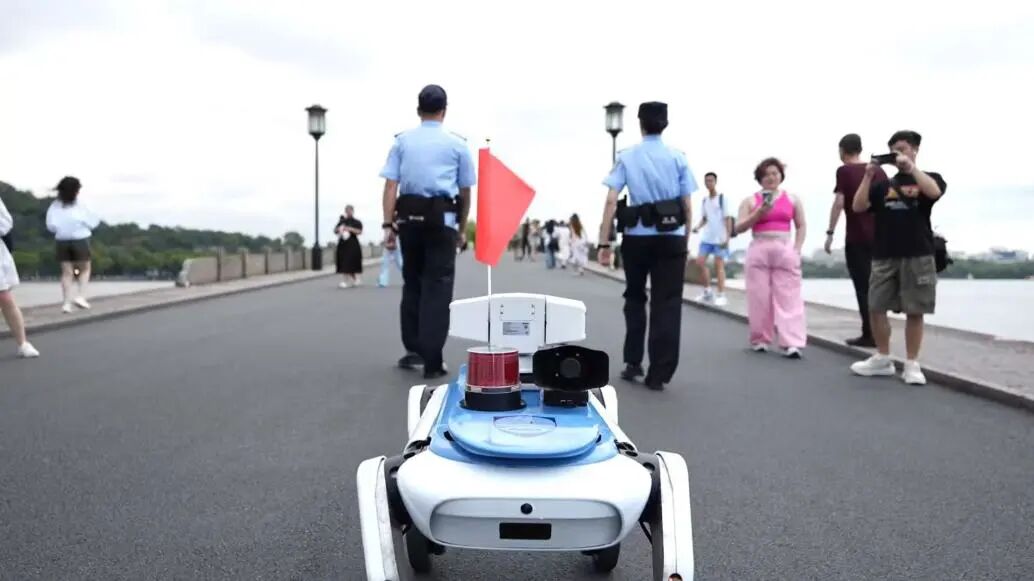
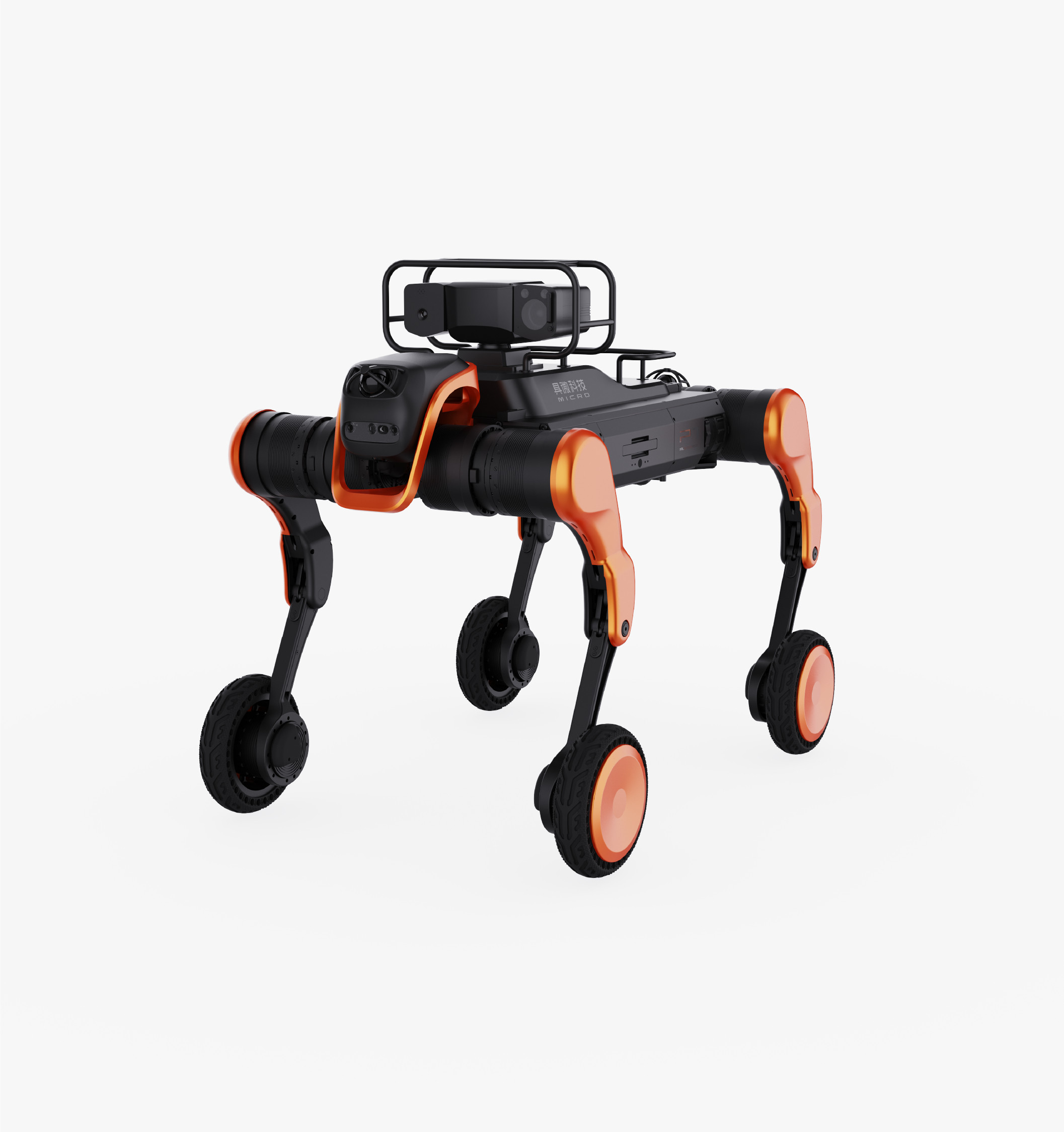
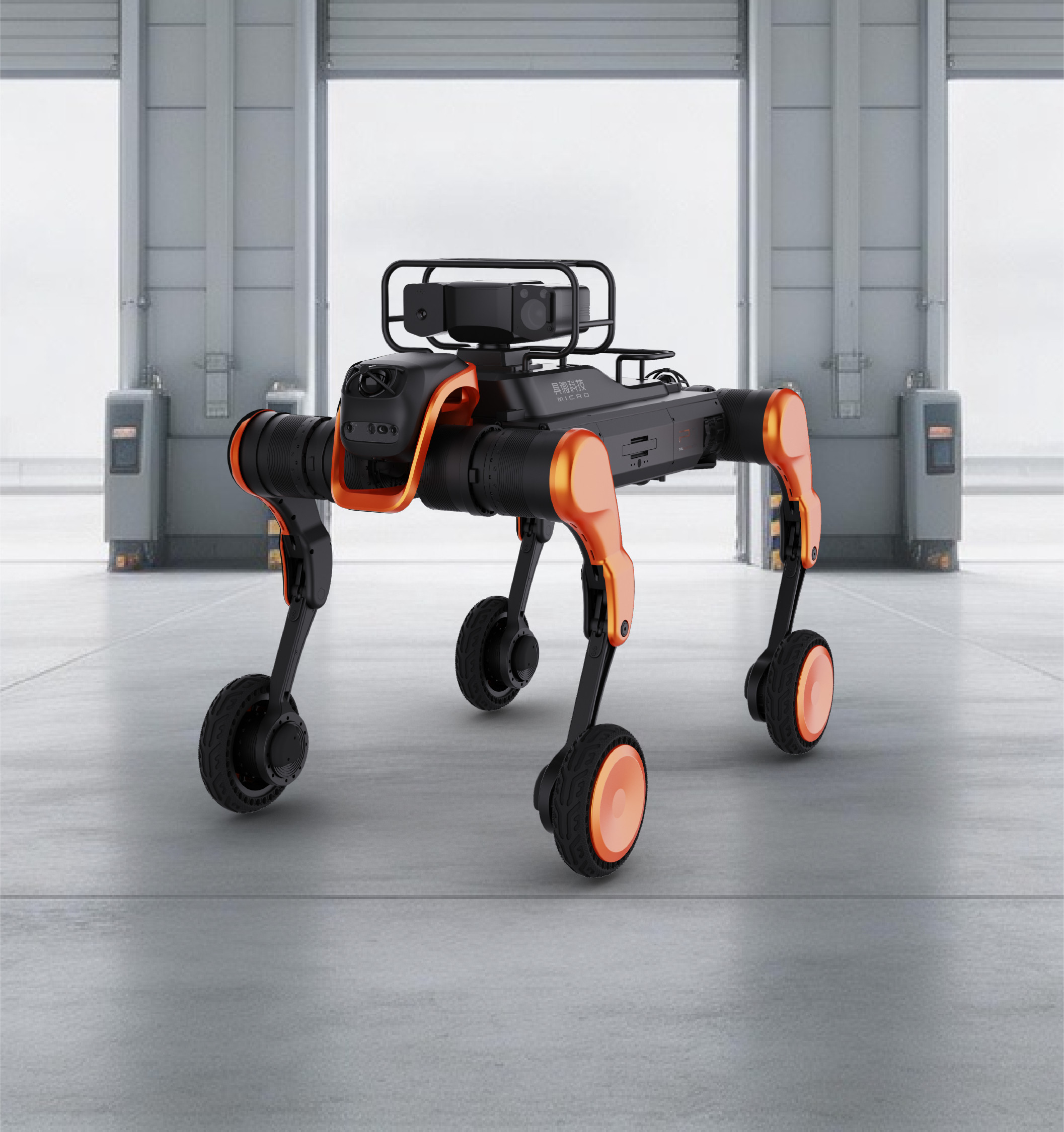
Based on a wheel-legged robot platform with high-temperature resistant and explosion-proof structure, the fire-fighting robot dog (including reconnaissance and water cannon types) can break through complex obstacle areas such as earthquake ruins, collapsed buildings and chemical deflagration sites. It can penetrate high-temperature, smoke-filled, toxic, and high secondary-collapse risk core fire zones or search blind spots that are inaccessible to humans.
Made of high-temperature resistant materials with a self-cooling water mist system and explosion-proof/waterproof design, and with an operating temperature range of -40°C to 85°C, it ensures stable operation in the core disaster areas of fire, smoke, water immersion and extreme cold.
2. Full-Dimensional Situation Awareness & Precise Disposal: All-Round Perception, Integrated Offense and Defense
Reconnaissance Robot Dog:Integrates a dual-spectrum gimbal (visible light + infrared thermal imaging), gas detection array (combustible, toxic, oxygen concentration), acoustic/vibration life detector and 3D LiDAR. It quickly constructs a 3D site model in smoke and darkness, accurately locates fire sources, spread trends, trapped victims and hazardous material leaks, and transmits real-time video, gas data, temperature maps and structural safety warnings to the command center.
Water Cannon Robot Dog:Equipped with a high-flow variable jet (direct/sprinkler) water cannon or fire extinguishing agent device. Combined with data from the reconnaissance unit, it supports remote precise aiming and flow control. It can replace firefighters to enter dangerous areas for close-range precise fire extinguishing, cooling and explosion suppression, rescue channel opening and toxic gas dilution. Self-developed fire detection and aiming-assist algorithms improve first-shot accuracy and extinguishing efficiency.
3. Full-Process Collaborative Operations & Intelligent Command: Human-Robot Collaboration, Closed-Loop Efficiency
Supports remote control for forward reconnaissance/disposal, automatic patrol monitoring along preset routes (such as after-fire cleanup) and multi-robot coordinated operations (reconnaissance dog for positioning, water cannon dog for follow-up fire fighting).
Ultra-low-latency HD video transmission and stable control are realized via 5G/private network, with edge computing for fast on-site data processing. The rear intelligent command platform aggregates multi-robot data in real time, integrates 3D maps, dynamically displays fire situation, personnel positions and equipment status, and quickly generates operational plans, forming a digital closed-loop command chain of “reconnaissance – decision – strike – evaluation”.
Modular design supports quick integration of demolition, handling, communication relay and other task modules to meet diverse rescue needs.
II. Core Values: Enhancing Capability, Protecting Lives, Reducing Losses & Improving Efficiency
1. Safety Revolution: From “Flesh and Blood” to “Iron Vanguard”
Replaces firefighters to first enter the most dangerous core fire areas, collapsed ruins and hazardous chemical leakage zones for reconnaissance and fire fighting, greatly reducing life threats from high temperature, deflagration, poisoning, suffocation and collapse. It provides frontline safety intelligence for command decisions and builds a solid safety line for rescue personnel.
2. Combat Capability Multiplication: Expanding Rescue Boundaries, Seizing the Golden Time
The robot dog operates 24/7 without fatigue or environmental limitations. The reconnaissance model completes large-area scanning and locates multiple fire points or life signals within minutes, far more efficiently than manual preliminary reconnaissance. The water cannon model operates continuously at close range to suppress fire and cool equipment, creating conditions for evacuation and general attack. Human-robot collaboration multiplies rescue efficiency, especially at night and in complex terrain.
3. Loss Control: Precise Action, Reducing Secondary Disasters
Accurate fire source positioning and early warning of dangerous gases and structural risks enable targeted resource deployment, avoiding secondary losses such as water damage to valuable equipment. It effectively prevents fire spread and secondary explosions or collapses, maximizing property and infrastructure protection.
4. Intelligent Upgrade: Data-Driven Scientific Rescue
Full-process digital recording and real-time data transmission provide commanders with global, objective and quantitative decision support, shifting rescue from “experience-led” to “data-driven scientific decision-making”. Operational data can be accumulated into a case library for review, analysis and simulation training, continuously improving actual combat capability.
III. Applicable Scenarios
Building Fires: Reconnaissance, search and rescue, close-quarters extinguishing in high-rise, underground, large-space and smoke-filled environments.
Hazardous Chemical Accidents: Core area detection, gas monitoring, leakage control assistance, cooling and explosion suppression.
Earthquake & Collapse Rescue: Life detection, environment assessment, narrow-space access opening, material delivery.
Forest & Grassland Fires: Fire line reconnaissance, after-fire cleanup, night infrared monitoring.
Comprehensive Emergency Rescue: On-site assessment, danger inspection, communication relay after floods, mudslides and other disasters.
Intelligent Firefighting Module
Empower your business with Micbot robotics
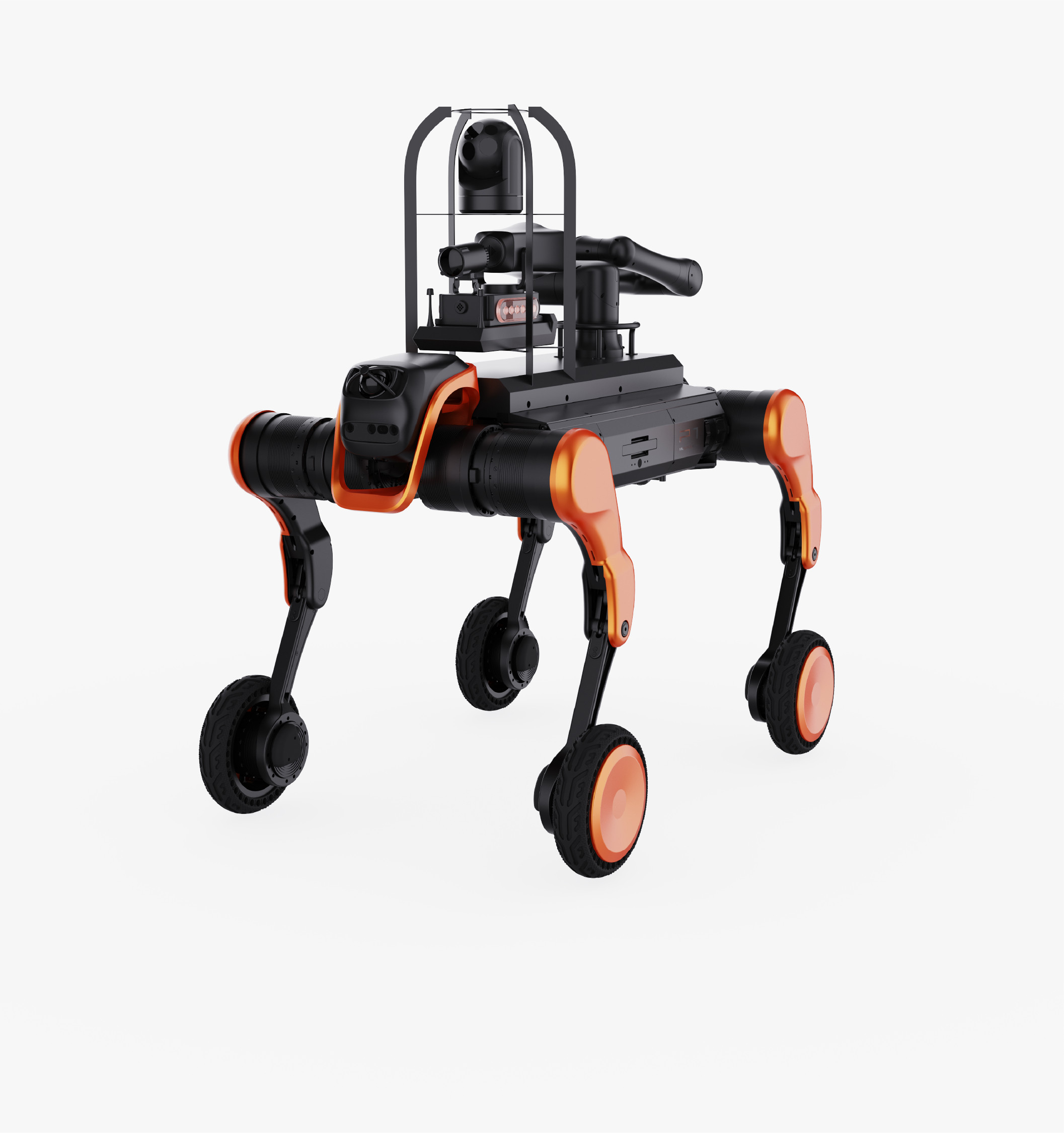
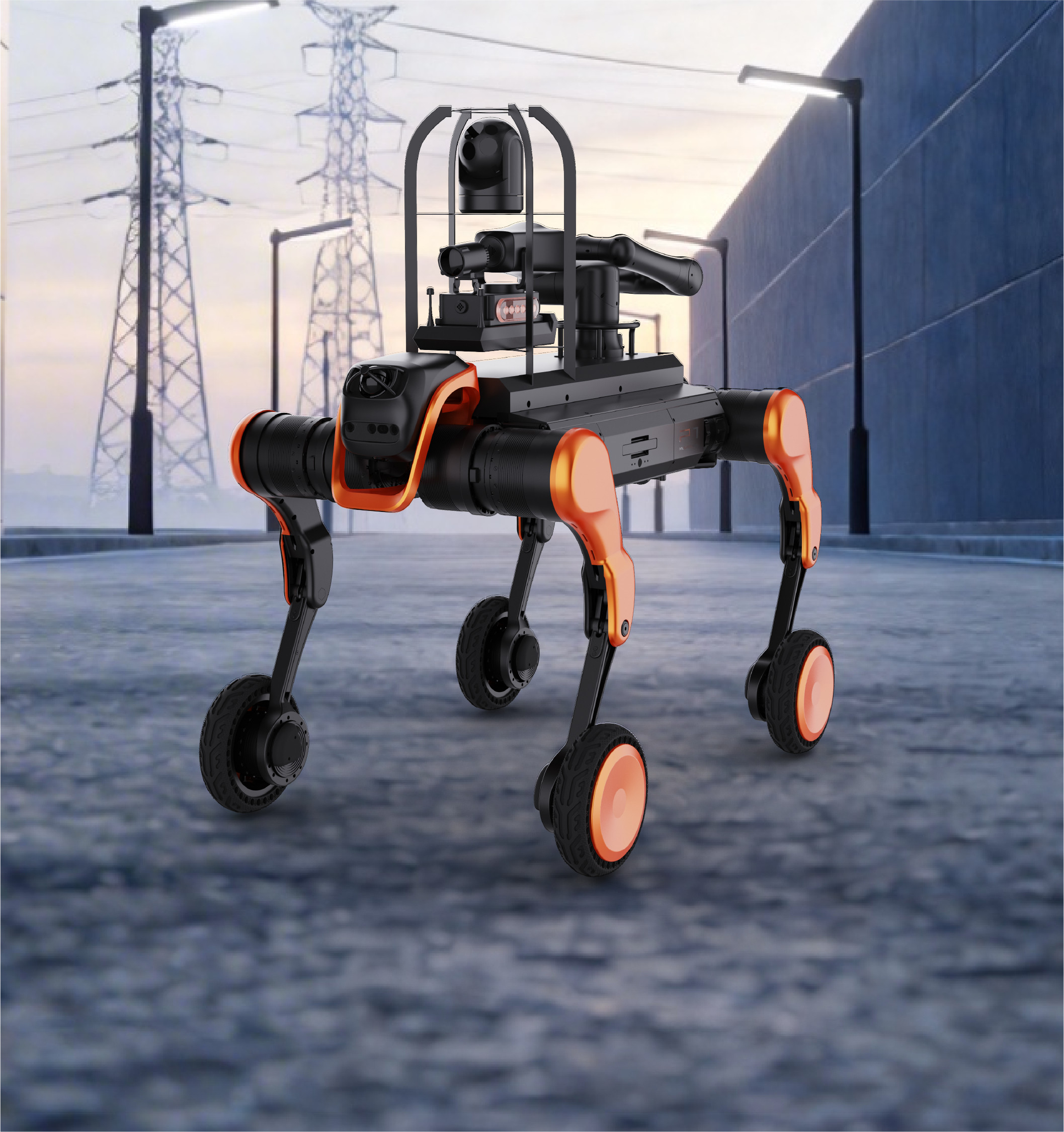
Integrated Operation System
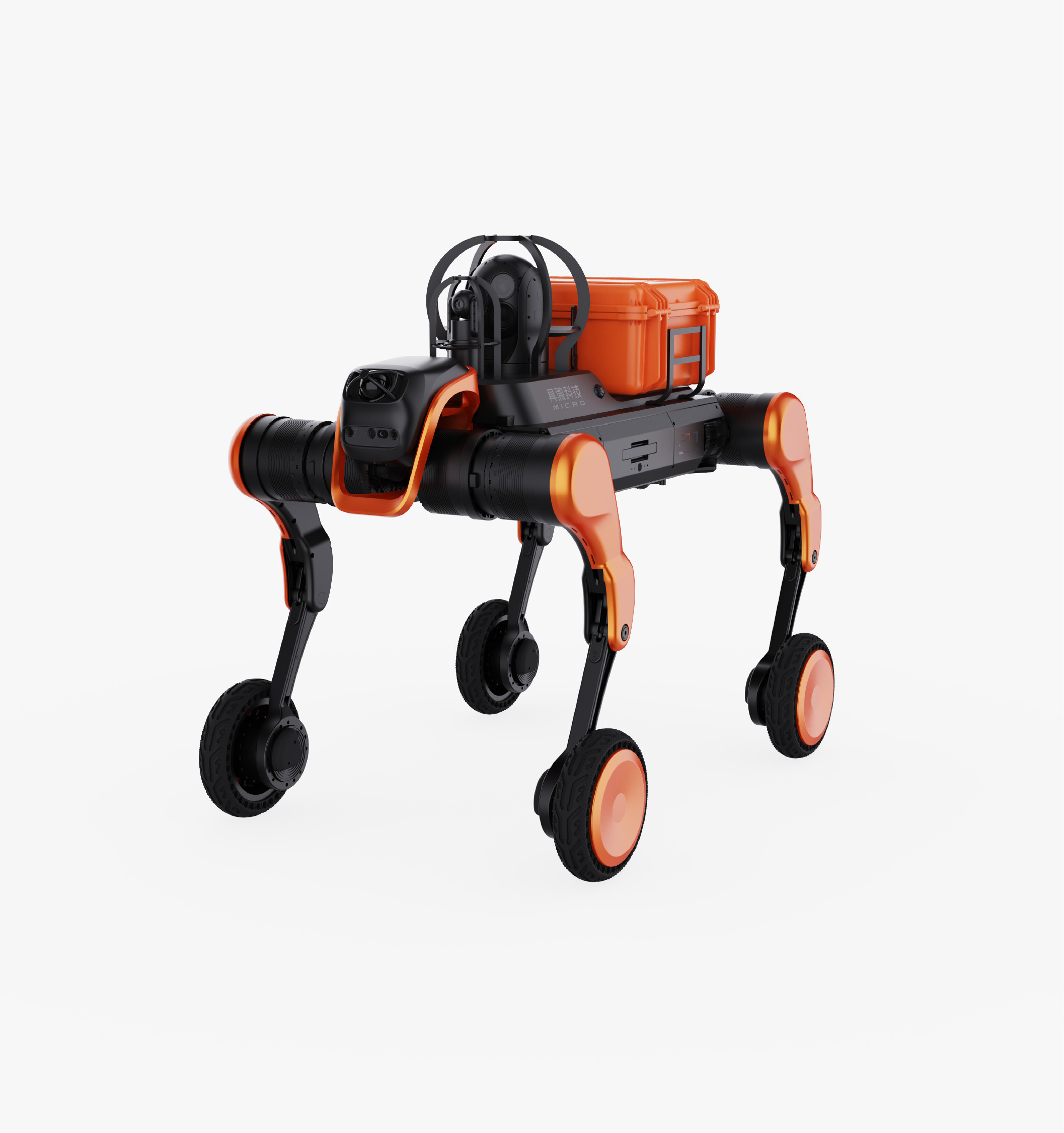
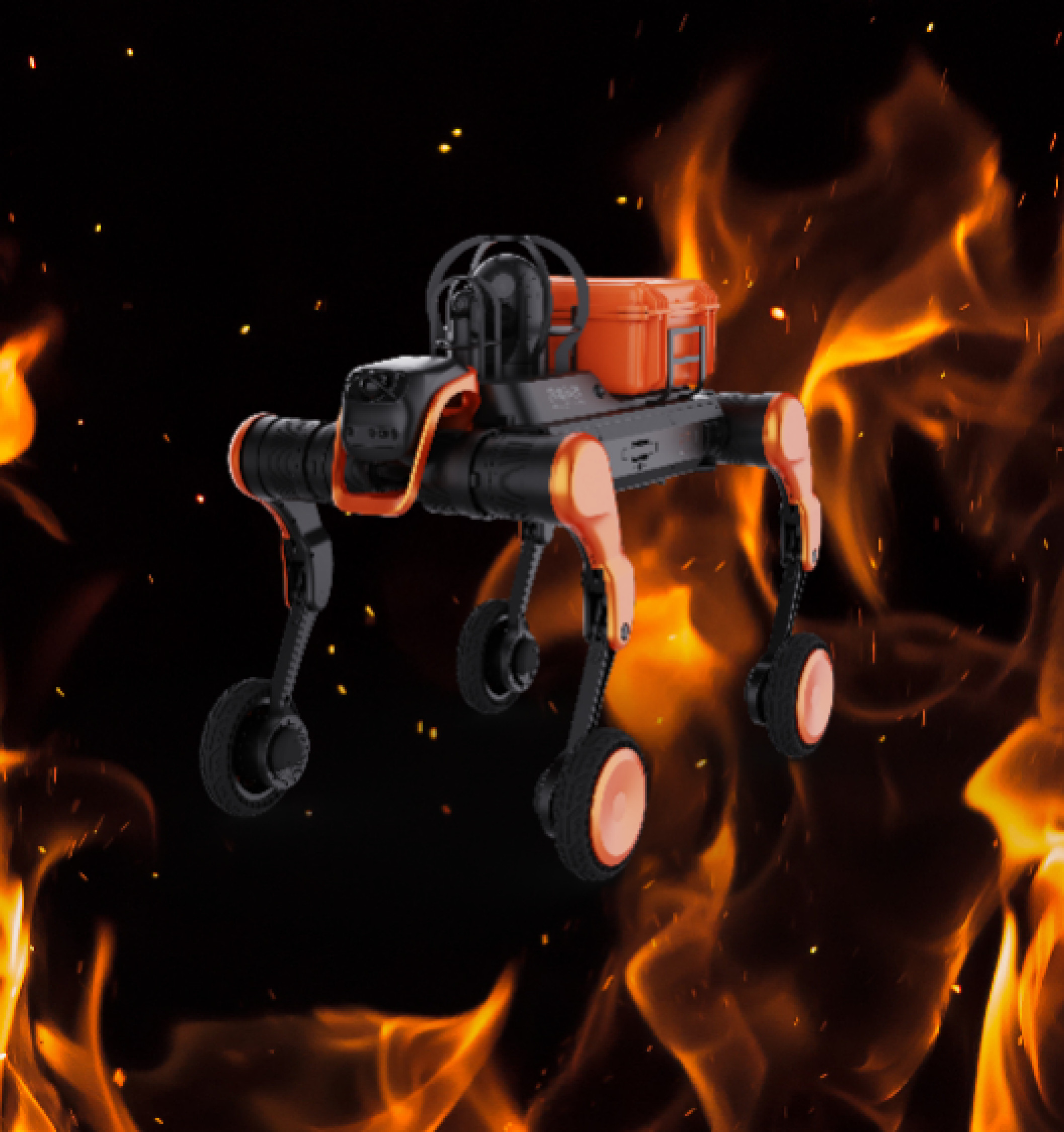
Pan-Tilt-Zoom (PTZ) Camera
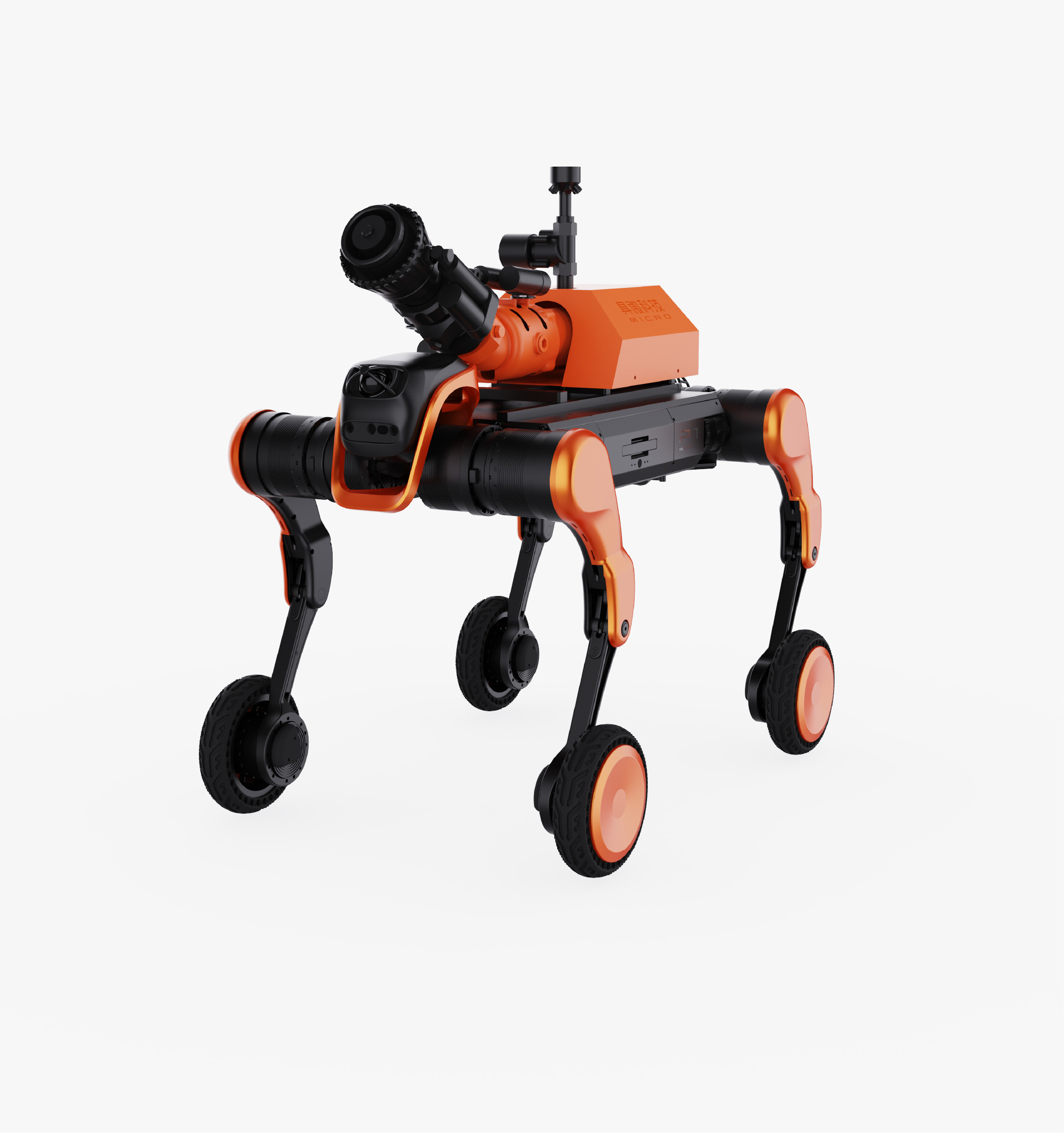
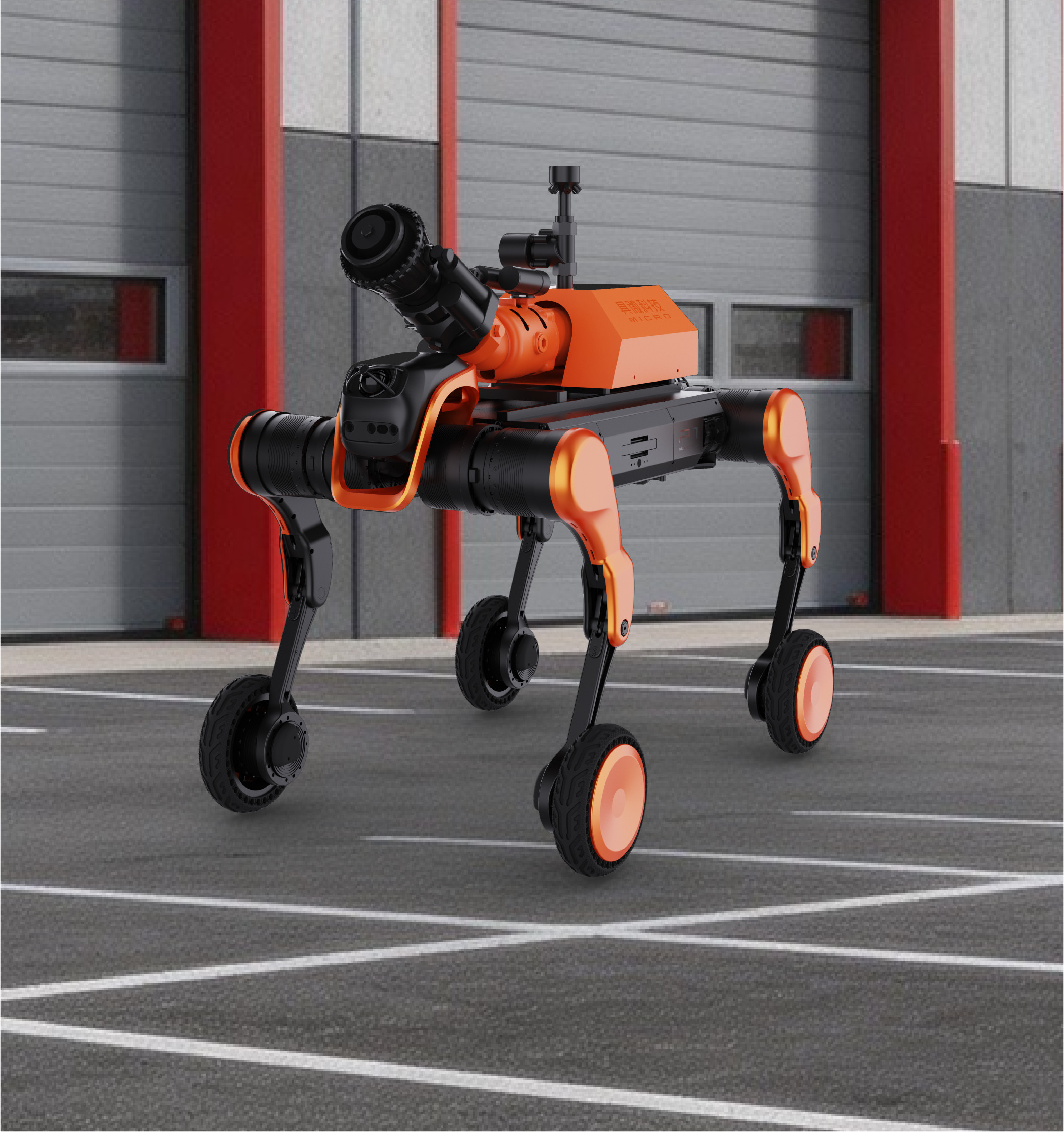
Fire Water Cannon
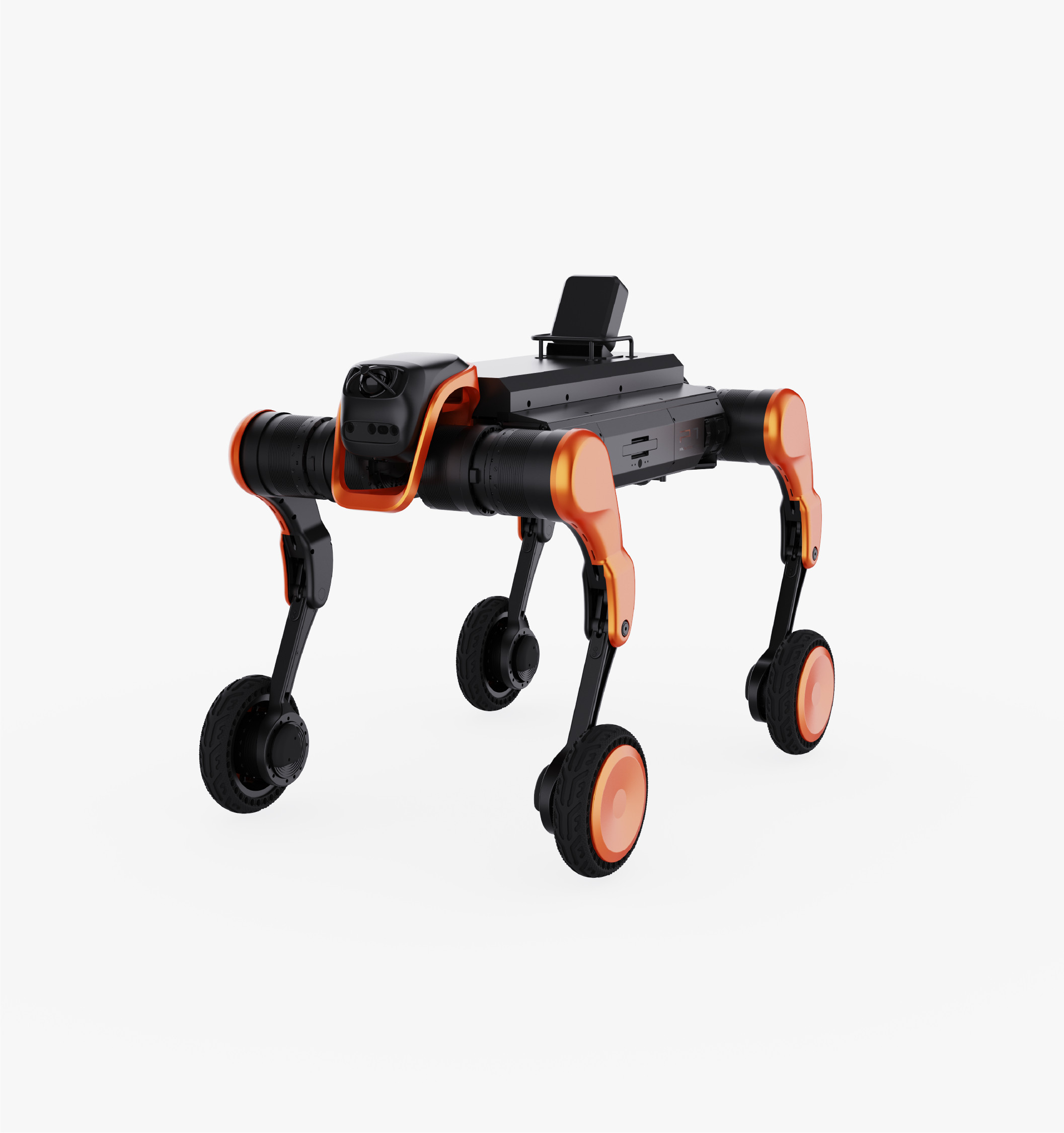
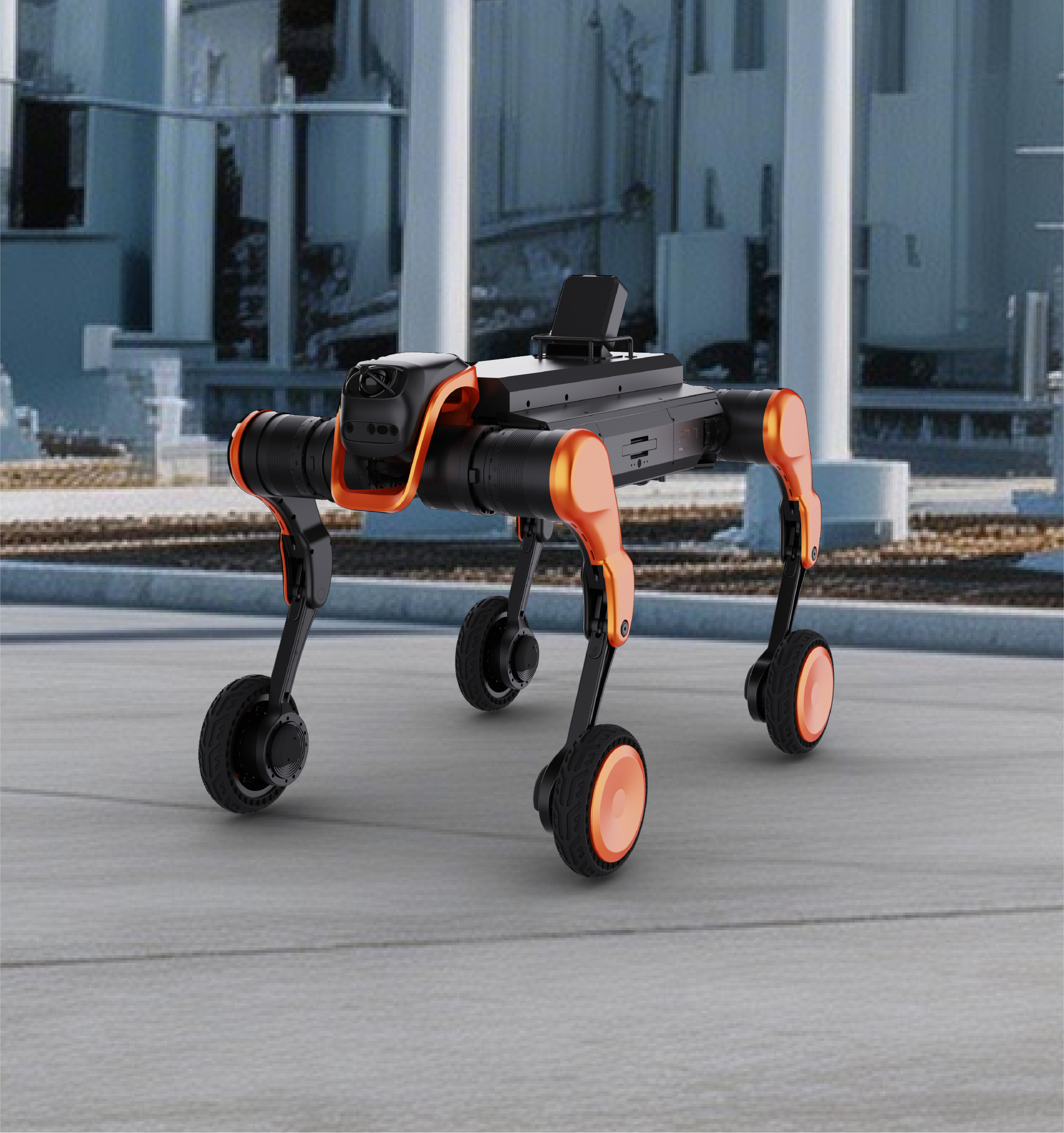
Serves as the navigation host and handles mission-critical program processing, providing mapping, navigation, and positioning functions.
Voiceprint Camera
It enables precise sound source localization and accurate identification of multiple partial discharge (PD) types—including corona, surface, and floating discharges—for rapid troubleshooting.
Robotic Arm
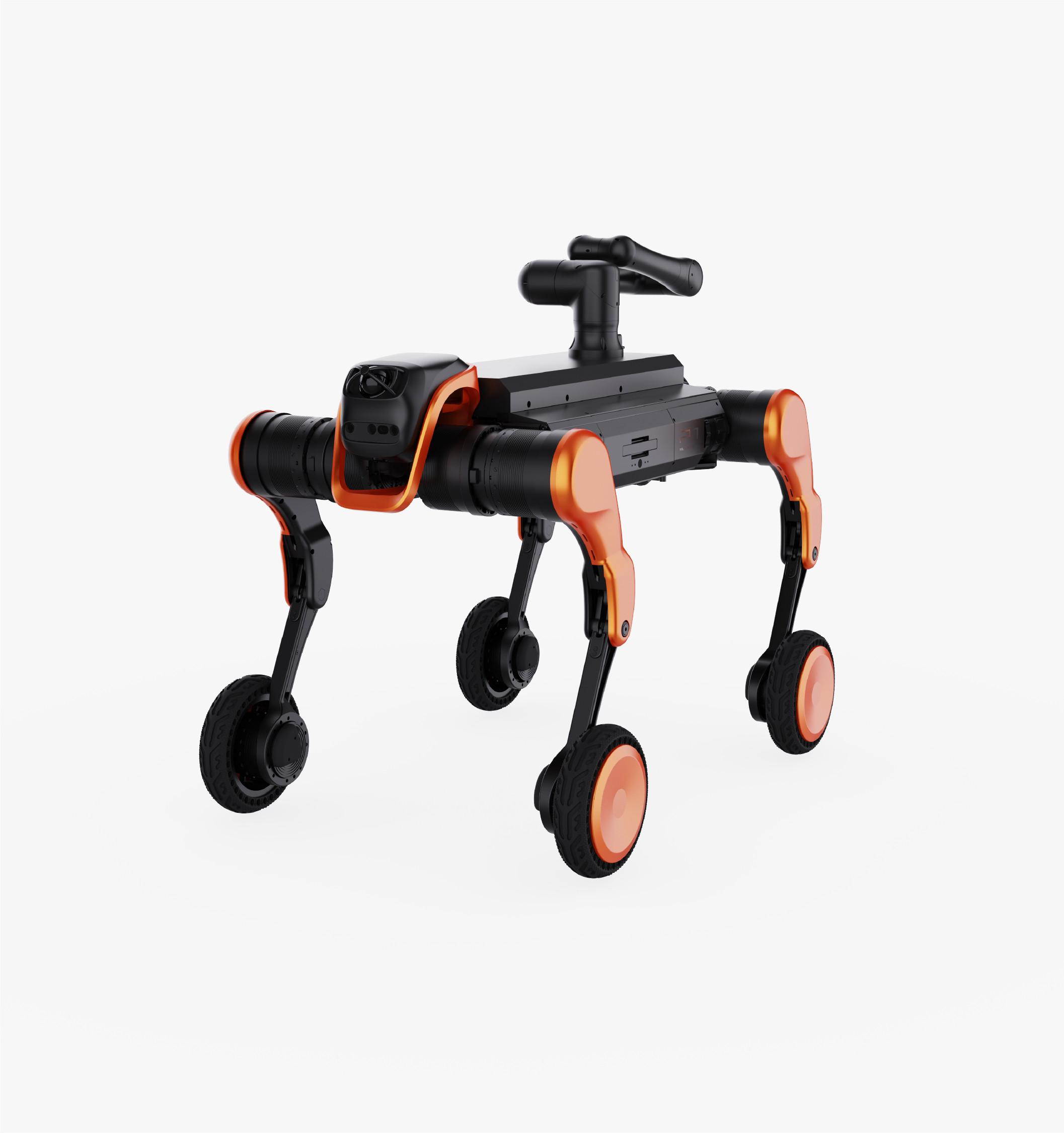
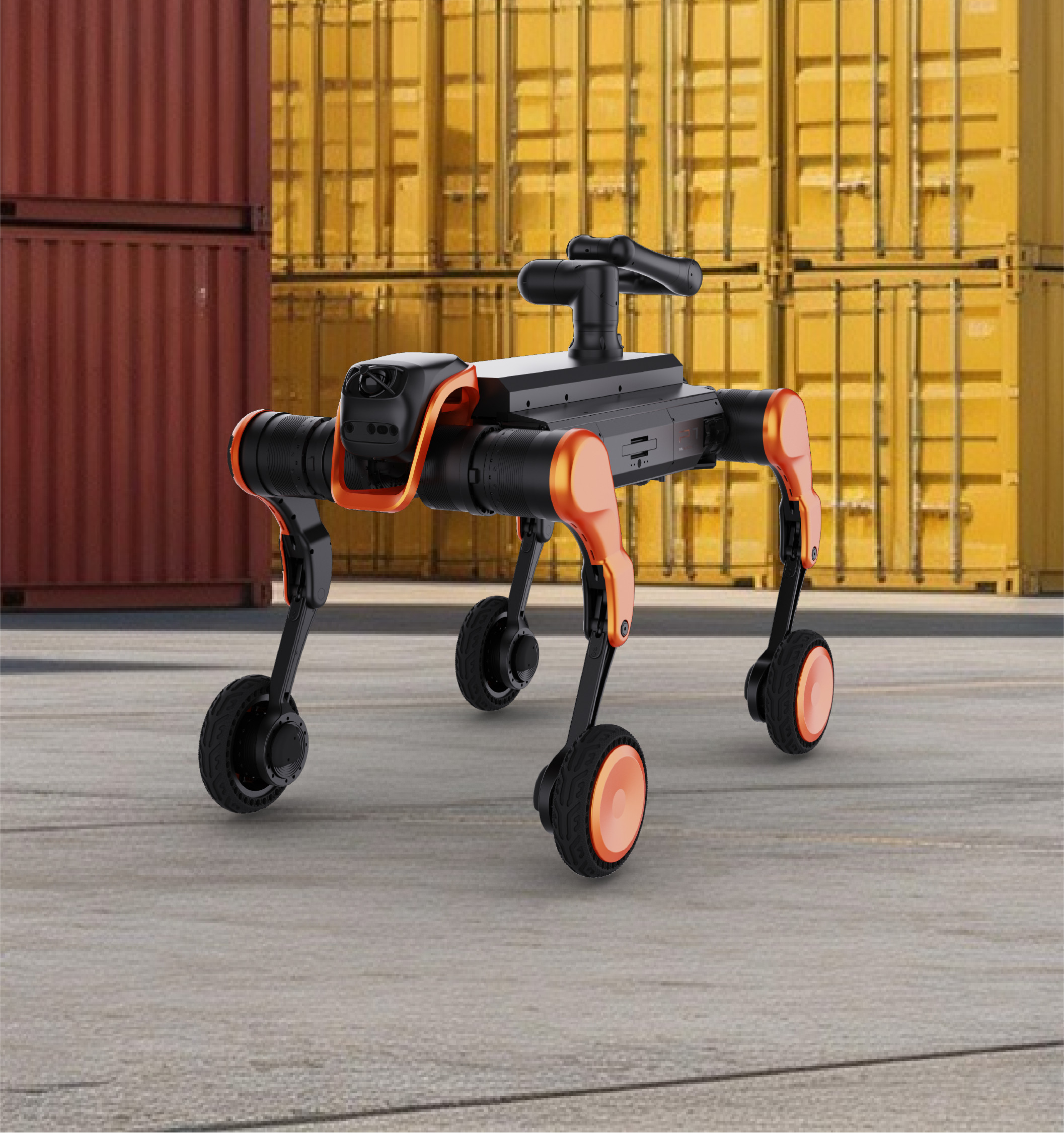
It can be equipped with end effectors such as cameras and grippers, enabling remote grasping, door opening/closing, and object retrieval.
Visible & Thermal PTZ Camera
It features thermal and visible light imaging, AI recognition, fault detection and analysis, and supports auto-focus.