Intelligent Logistics Transportation Solution
I. Solution Overview: A Flexible, Efficient and Reliable Full-Process Material Handling Expert
Facing the urgent needs of the manufacturing and warehousing logistics industries for flexibility, cost reduction, efficiency improvement, and labor shortage, this solution takes Micbot's high-load Autonomous Mobile Robot (MOVENEW P1) as the core, constructing an on-site intelligent logistics system featuring "autonomous navigation, intelligent scheduling, flexible loading, and precise docking". It realizes full-process automated handling of raw materials, work-in-progress, finished products, and warehoused goods between production lines, within warehouses, and at loading/unloading points, creating a flexible productivity engine.
1. High-Load Omnidirectional Flexible Movement: Adapt to Complex Workshop and Warehouse Environments
Powerful Loading Capacity and Stable Operation: The robot has a strong load capacity of 400kg, adopts a low-center-of-gravity design, and operates stably to ensure the safe transportation of materials such as pallets, shelves, and heavy parts. With a protection level of IP66 or above, it can adapt to dust and a small amount of splashing water in general industrial environments.
Omnidirectional Movement and Precise Positioning: It can achieve 360° omnidirectional movement, lateral movement, and in-situ rotation in the plane, shuttling freely between narrow passages and dense shelves. Integrated with SLAM navigation, it achieves centimeter-level docking accuracy, meeting the effective docking with production line equipment, elevators, and conveyor lines.
High-Intensity Continuous Operation: Supports quick battery replacement or automatic charging. A single charge can meet 8-12 hours of continuous high-intensity operation, ensuring the continuity of production and logistics links.
2. Intelligent Scheduling and Cluster Collaboration: Realize Dynamic Optimization of Global Resources
II. Cluster Intelligent Scheduling System: The central scheduling system, like a "smart brain", monitors the status and position of all robots in real time. According to order priority, material urgency, path congestion, and power status, it performs dynamic task allocation and path planning to achieve optimal global efficiency.
Efficient Human-Robot and Robot-Robot Collaboration: The robot seamlessly docks with equipment such as manual picking workstations, automated three-dimensional warehouses, robotic arms, and elevators. Multiple robots have anti-collision and following functions, enabling efficient and safe collaborative operation in shared spaces, greatly improving regional circulation capacity.
Rapid Deployment and Flexible Expansion: No modification to the existing site is required, and deployment is fast. The number of robots can be flexibly increased according to business volume growth, and the system capacity can be expanded linearly, perfectly adapting to business fluctuations and future development.
3. Modular Carrier and Multifunctional Adaptation: One Machine for Multiple Uses, Covering All Scenarios
Rich Carrier Adaptation: It can quickly adapt to various carriers such as lifting type, traction type, and underride types, easily docking with standard pallets, bins, shelves, and mobile workbenches, meeting the full-process handling needs from raw material warehousing to finished product delivery.
Customized Upper Mount Module: Can integrate robotic arms, visual recognition systems, and RFID readers to achieve composite functions of "transportation + picking/recognition/verification", further reducing manual intervention nodes.
Open Interface and System Integration: Provides standard API interfaces, seamlessly integrating with the enterprise's upper management systems such as WMS (Warehouse Management System), MES (Manufacturing Execution System), and ERP. It receives operation instructions and returns execution status, realizing the unification of information flow and logistics.
II. Core Values: Comprehensive Optimization of Cost, Efficiency, Flexibility and Management
1. Significantly Reduce Operating Costs
Reduce Direct Labor Costs: Replace repetitive and high-intensity positions such as forklift drivers and porters, alleviate the problem of "difficulty in recruiting and high labor costs", and achieve considerable long-term labor cost savings.
Reduce Hidden Costs: Reduce the risk of goods damage and safety accidents caused by manual fatigue and negligence. Reduce reliance on fixed infrastructure (such as conveyors) and maintenance costs.
2. Greatly Improve Logistics Efficiency and Accuracy
24/7 Uninterrupted Operation: Improve equipment utilization and overall output. Material response time is reduced by more than 50%, accelerating production rhythm and order fulfillment speed.
Handling Accuracy Up to 99.99%: Under system command and precise execution, it completely avoids problems such as wrong delivery locations and quantity errors caused by human factors, improving inventory accuracy.
3. Enhance Production and Logistics Flexibility
Quickly Adapt to Business Changes: When the production line layout is adjusted or the process flow is changed, the robot system only needs to re-plan the map and task flow without hardware modification, helping enterprises meet the flexible production needs of small batches and multiple varieties.
Alleviate Peak Season Pressure: During peak sales seasons or order surges, the logistics processing capacity can be quickly improved by increasing the number of robots, avoiding bottlenecks caused by the inability to expand labor in the short term.
4. Promote Digital Lean Management
Full-Process Data Transparency: Every link of material movement is recorded and analyzed in real time, providing enterprises with accurate data basis for logistics efficiency analysis, bottleneck diagnosis, and production capacity planning.
Realize Lean Continuous Improvement: Continuously optimize handling paths, inventory layout, and production rhythm based on data, promoting the evolution of operation management to a data-driven and continuously optimized lean model.
III. Widely Adaptable Logistics Transportation Scenarios
Internal Logistics in Manufacturing Industry: Transportation from raw material warehouse to production line, process transfer between production lines, finished product offline to pending delivery area, and just-in-time material distribution in the workshop.
Warehousing and Logistics Center: Full-process pallet/bin handling from receiving area to storage area, storage area to picking station, picking completion to packaging and review area, and packaging completion to shipping area.
Special Industry Applications: Sequential delivery of auto parts in the automobile manufacturing industry, SMT material cart handling in the electronics industry, material transfer in clean workshops in the pharmaceutical industry, and return processing and shelving in e-commerce retail.
Cross-Floor/Regional Transfer: Cooperate with the elevator control system to realize automated material flow across floors.
Intelligent Logistics Module
Empower your business with Micbot robotics
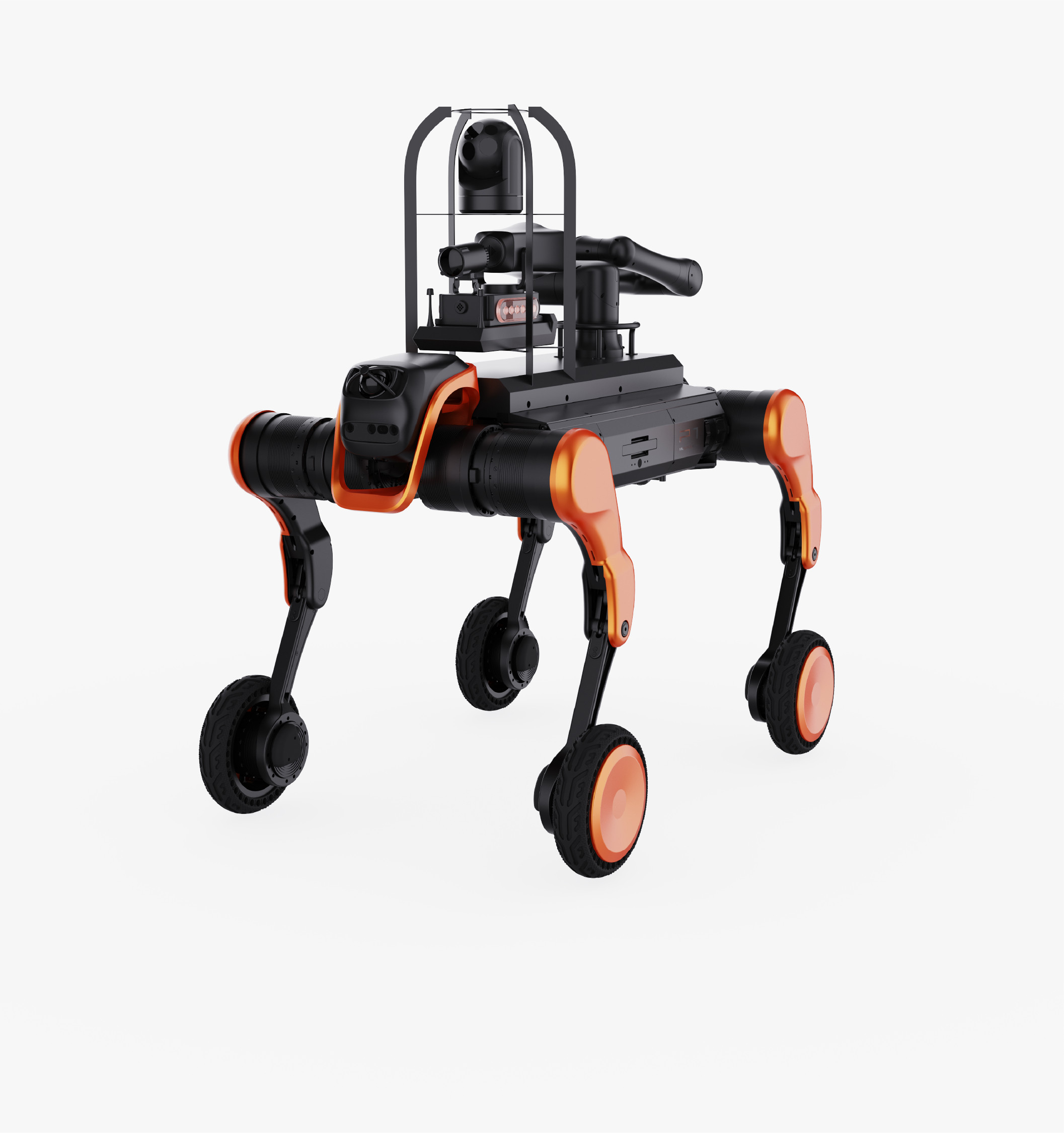
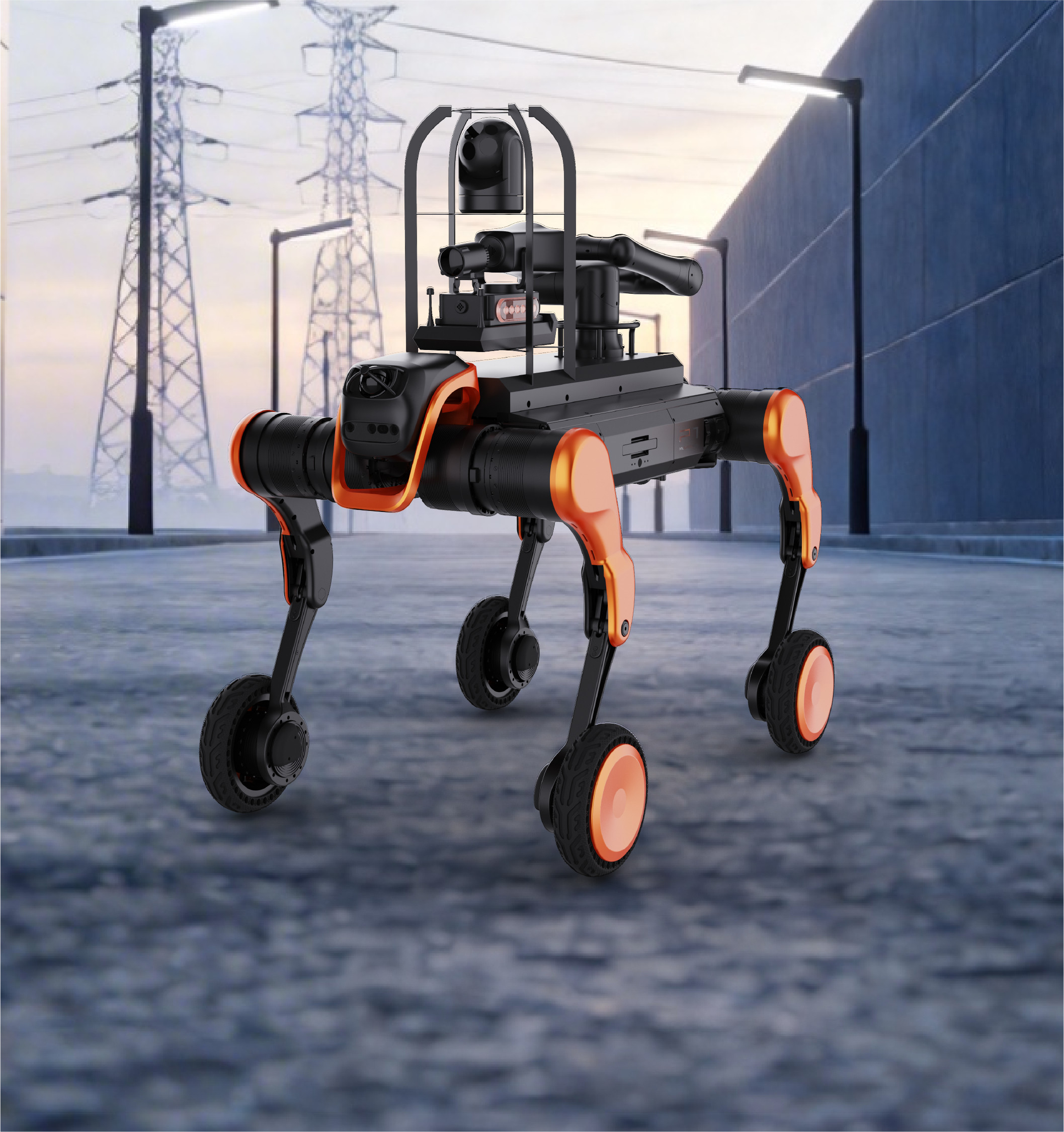
Integrated Operation System
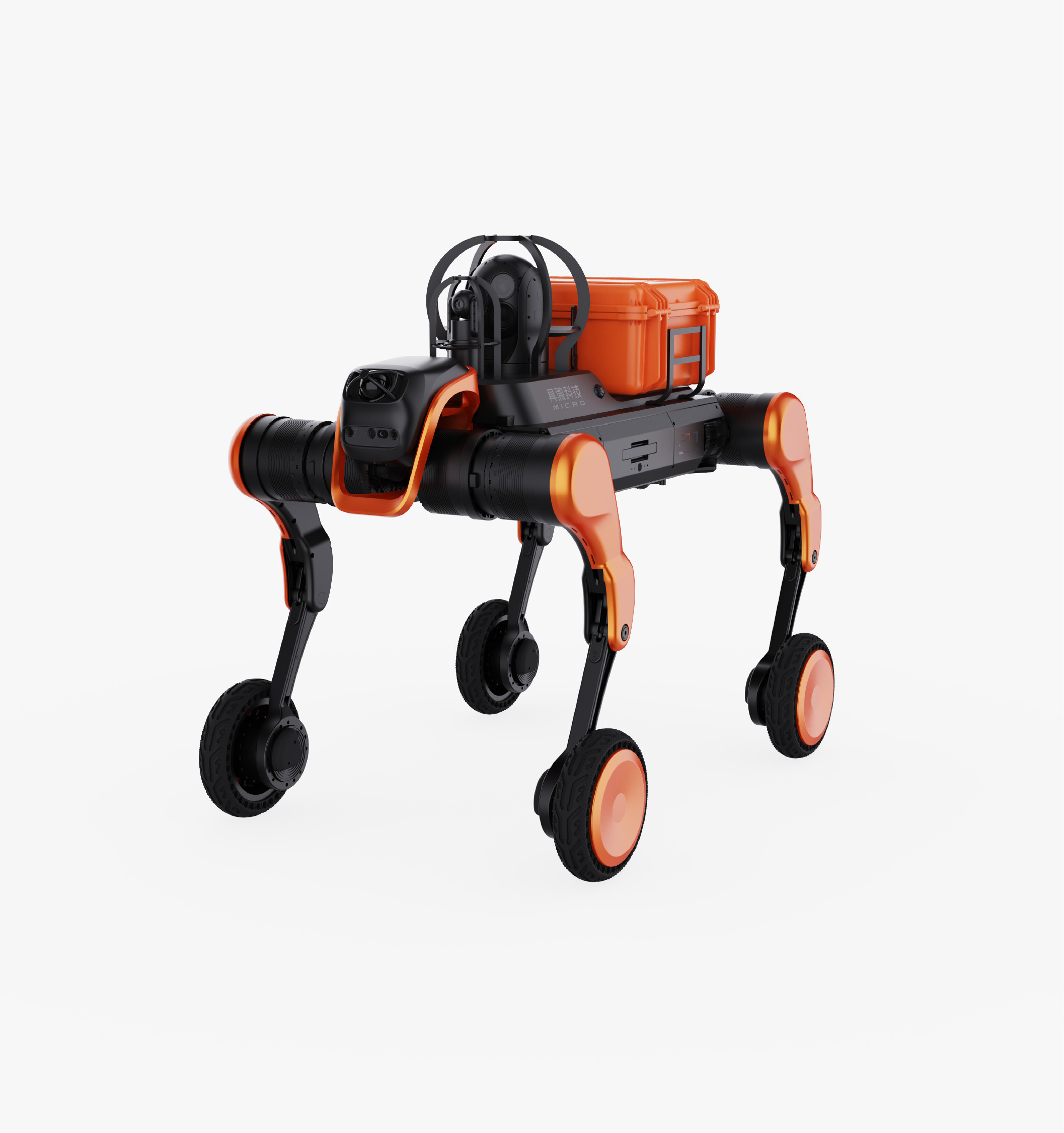
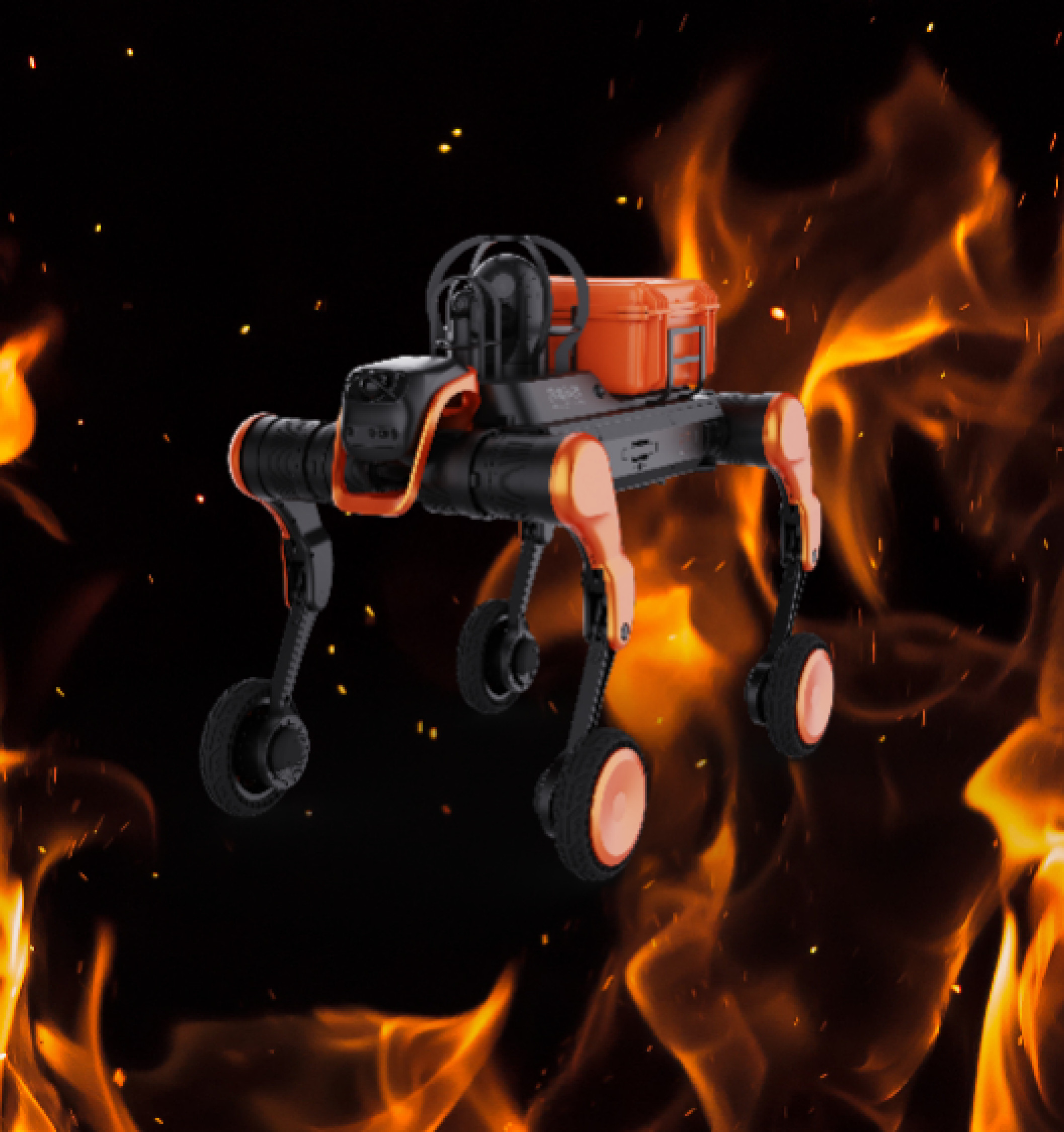
Pan-Tilt-Zoom (PTZ) Camera
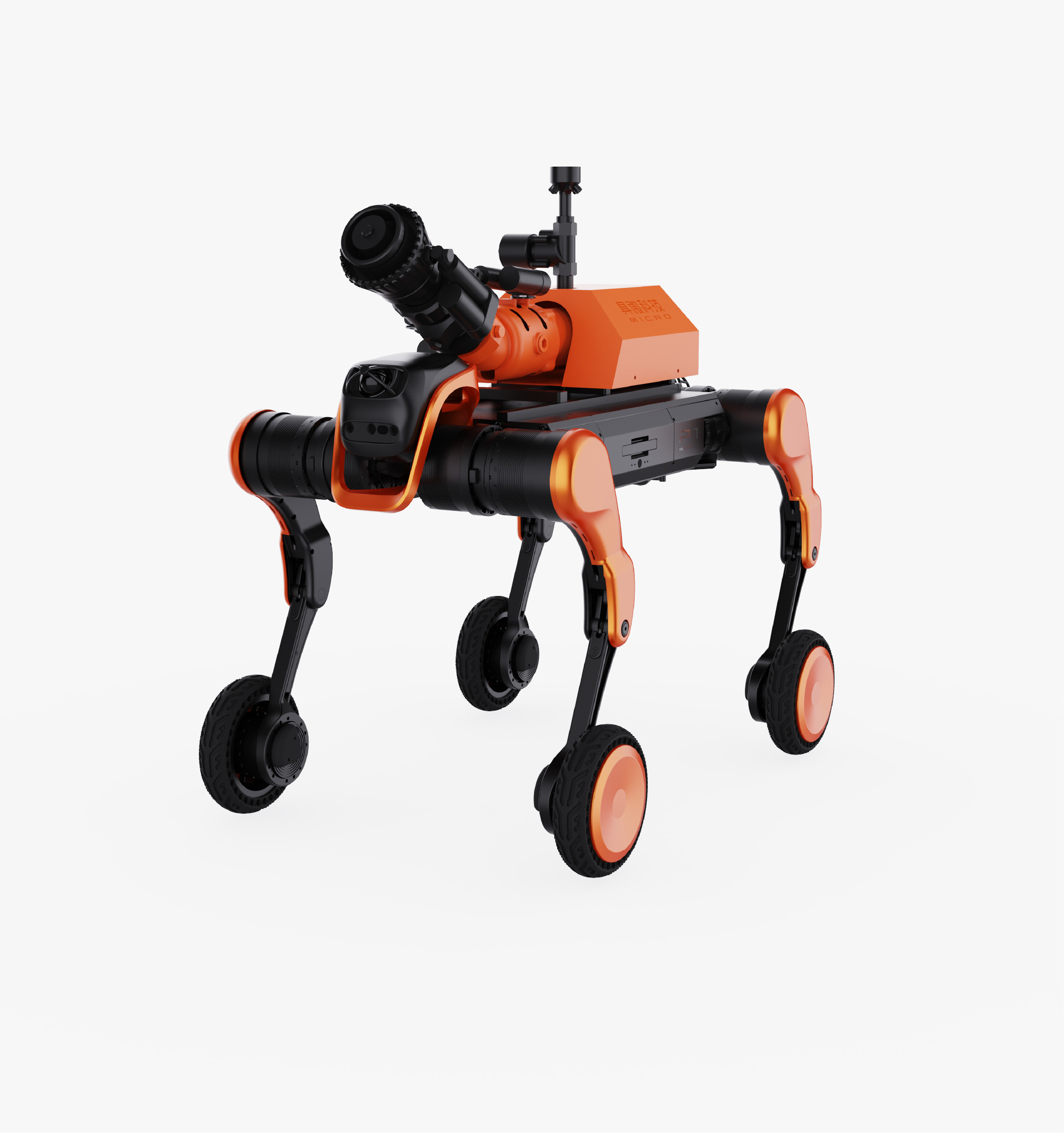
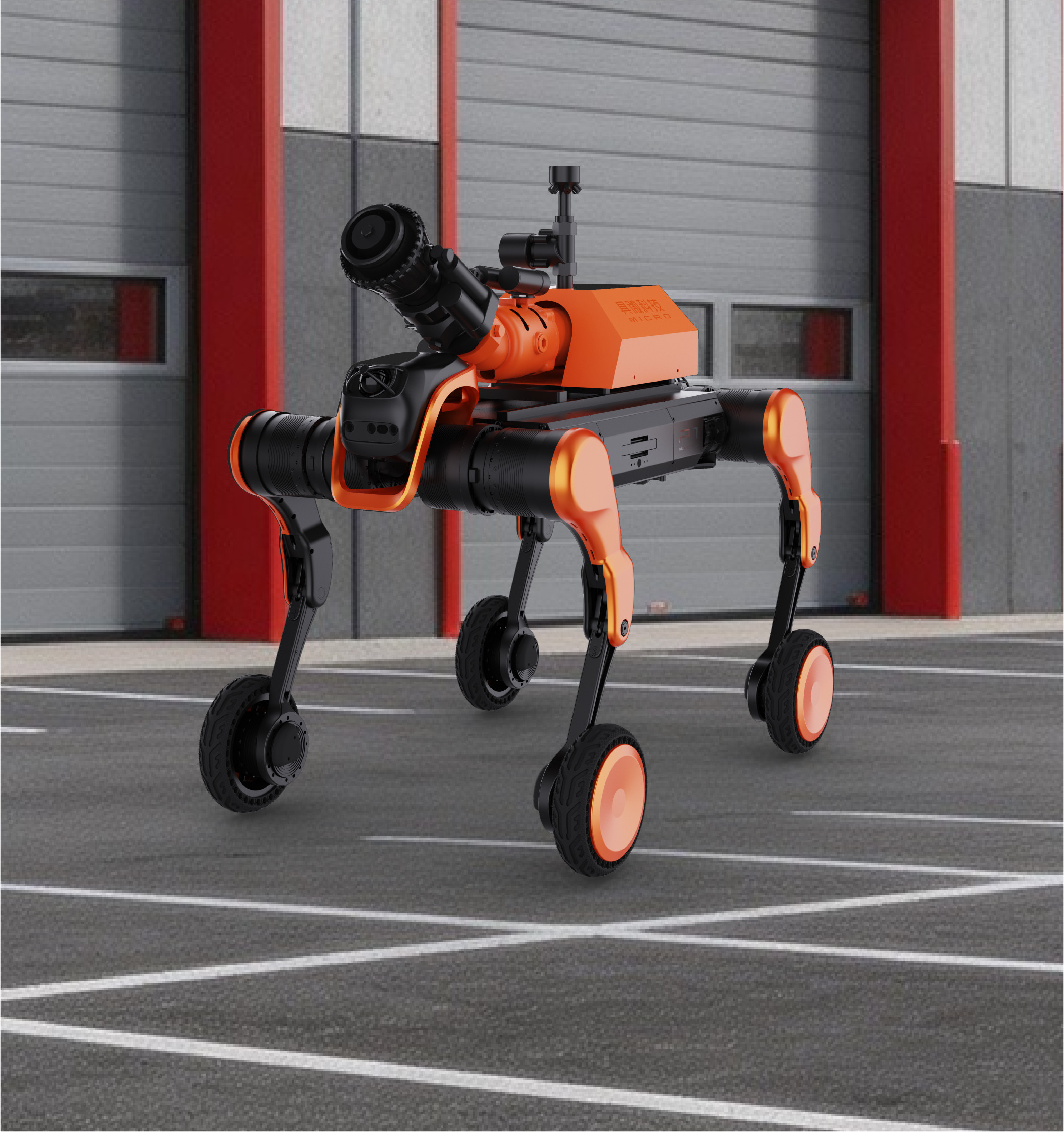
Fire Water Cannon
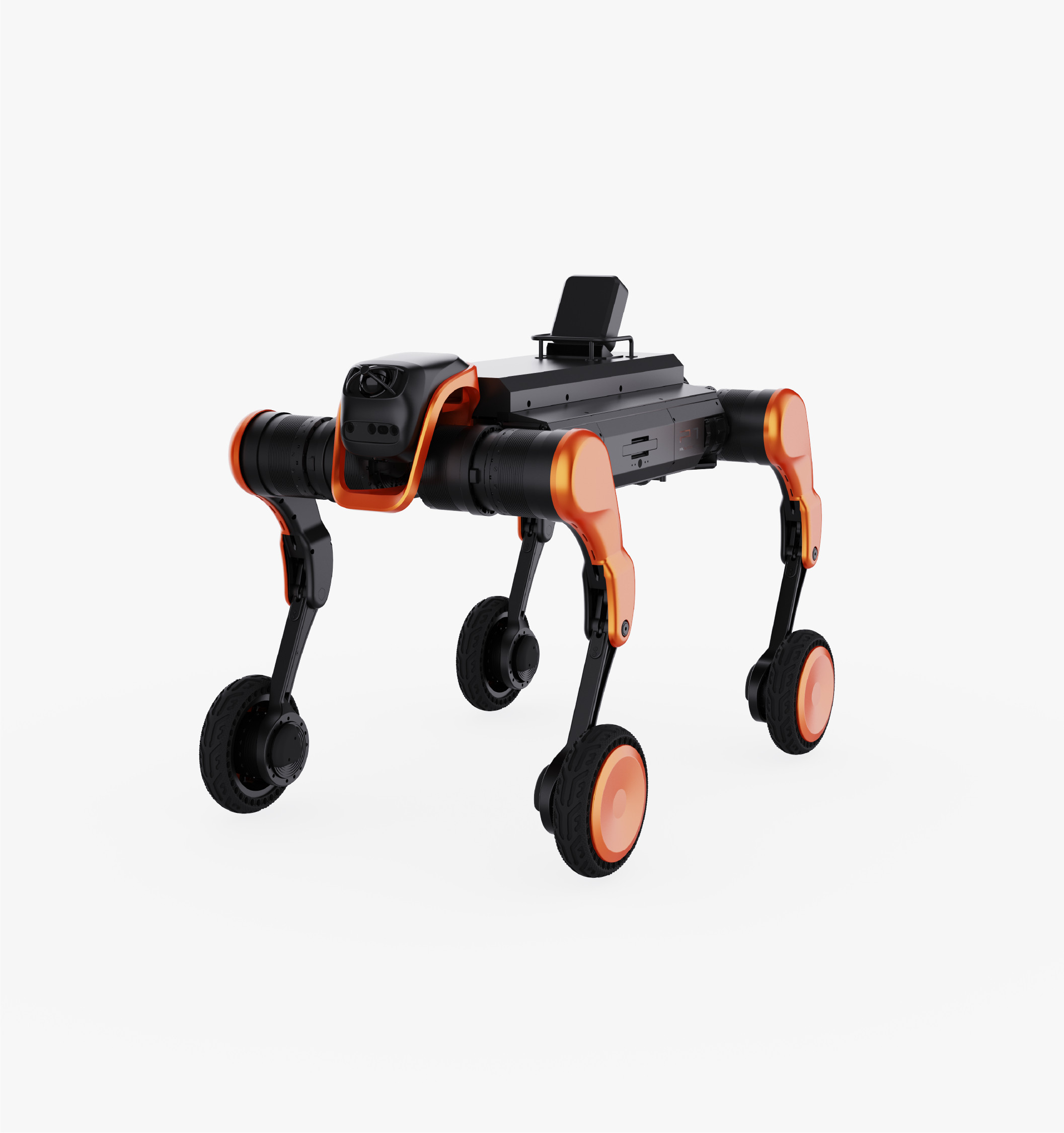
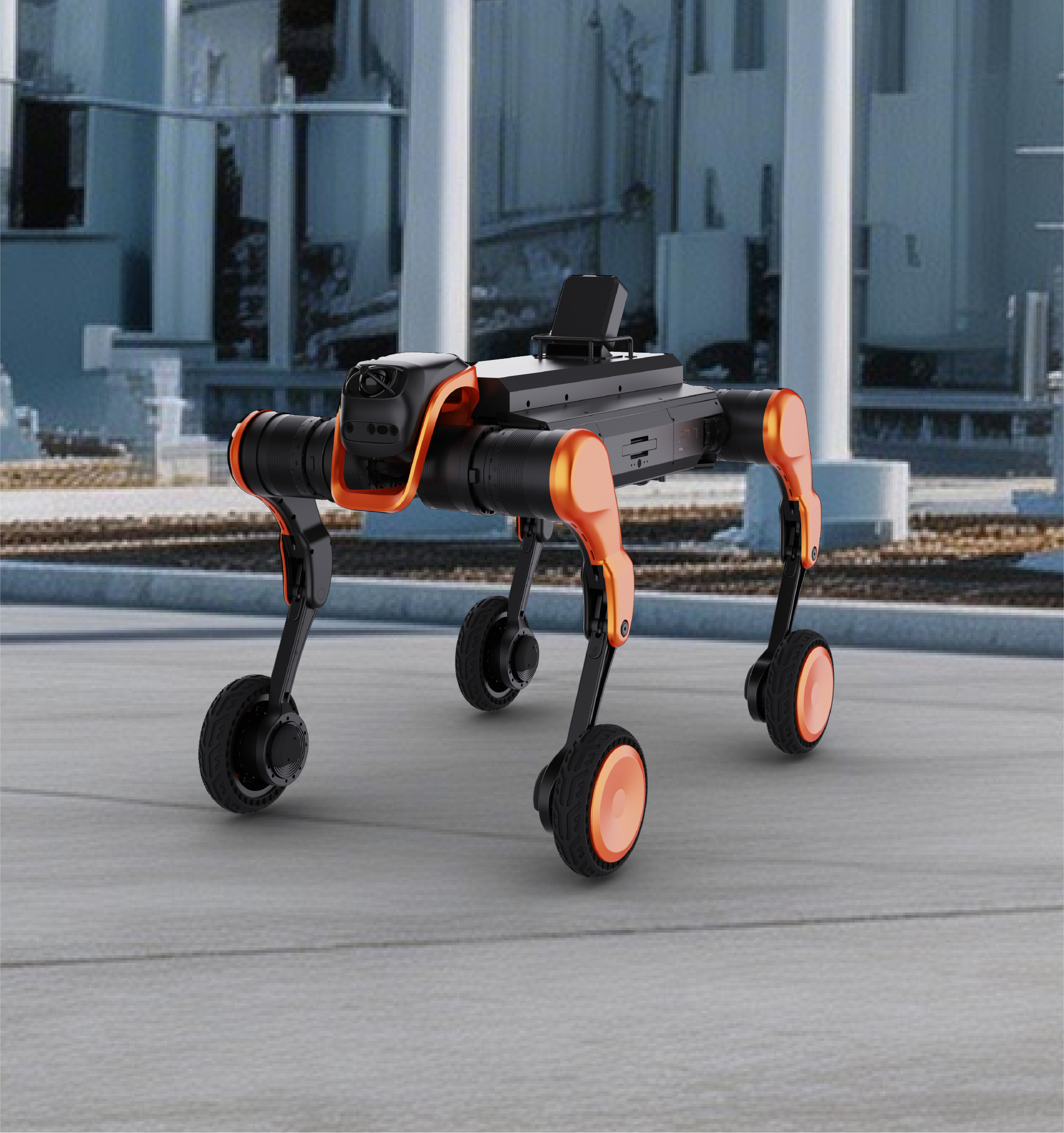
Serves as the navigation host and handles mission-critical program processing, providing mapping, navigation, and positioning functions.
Voiceprint Camera
It enables precise sound source localization and accurate identification of multiple partial discharge (PD) types—including corona, surface, and floating discharges—for rapid troubleshooting.
Robotic Arm
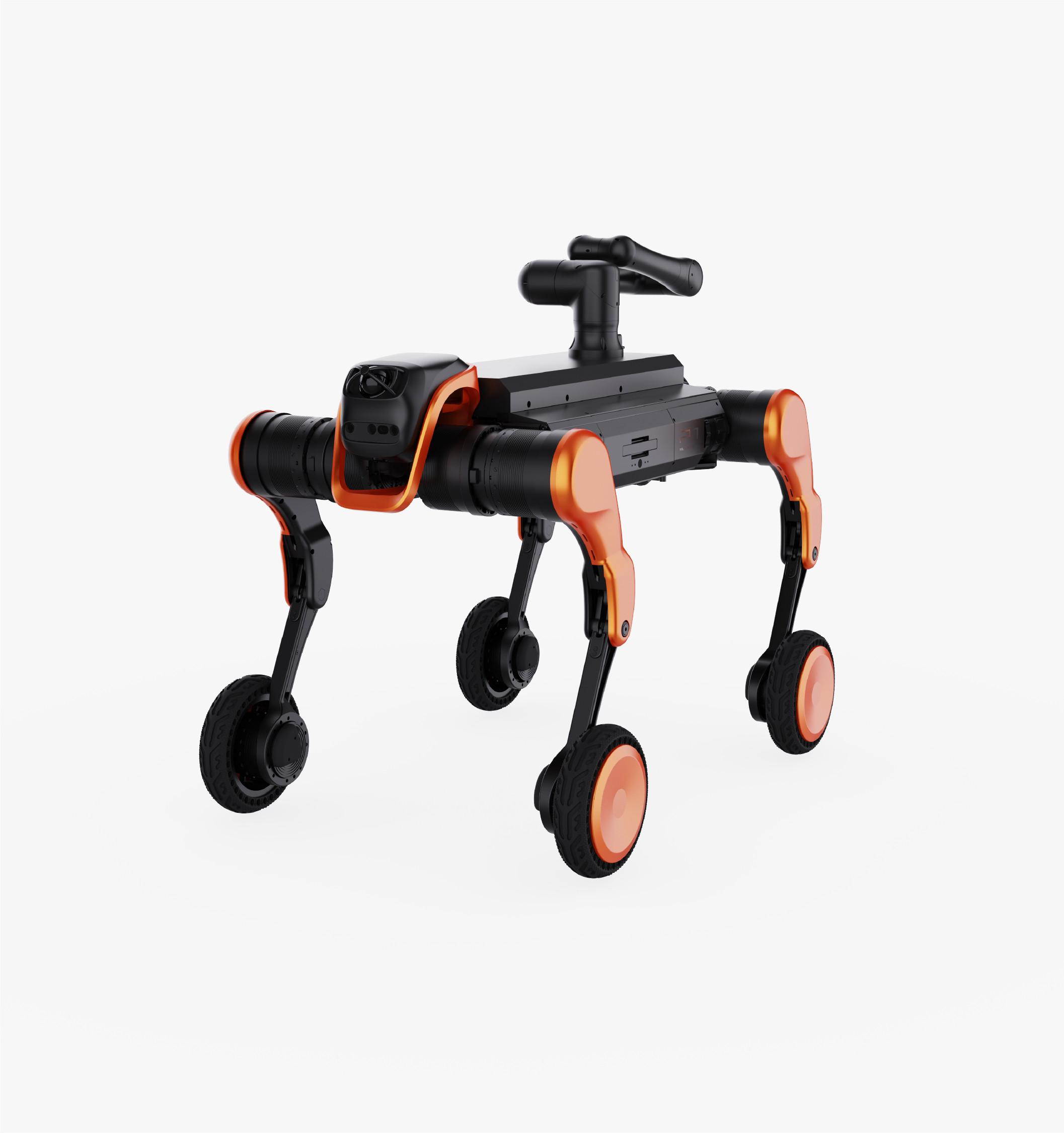
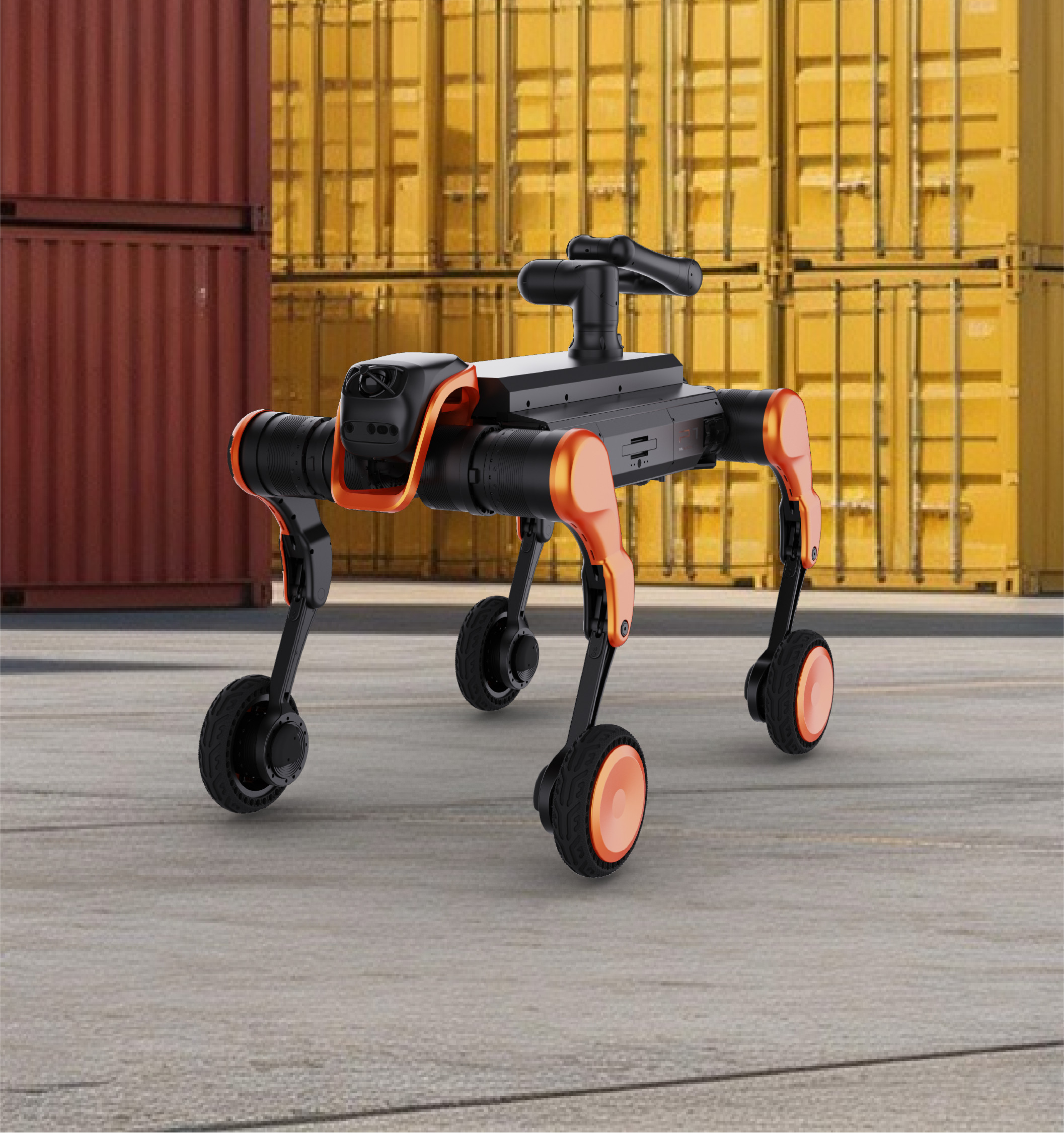
It can be equipped with end effectors such as cameras and grippers, enabling remote grasping, door opening/closing, and object retrieval.
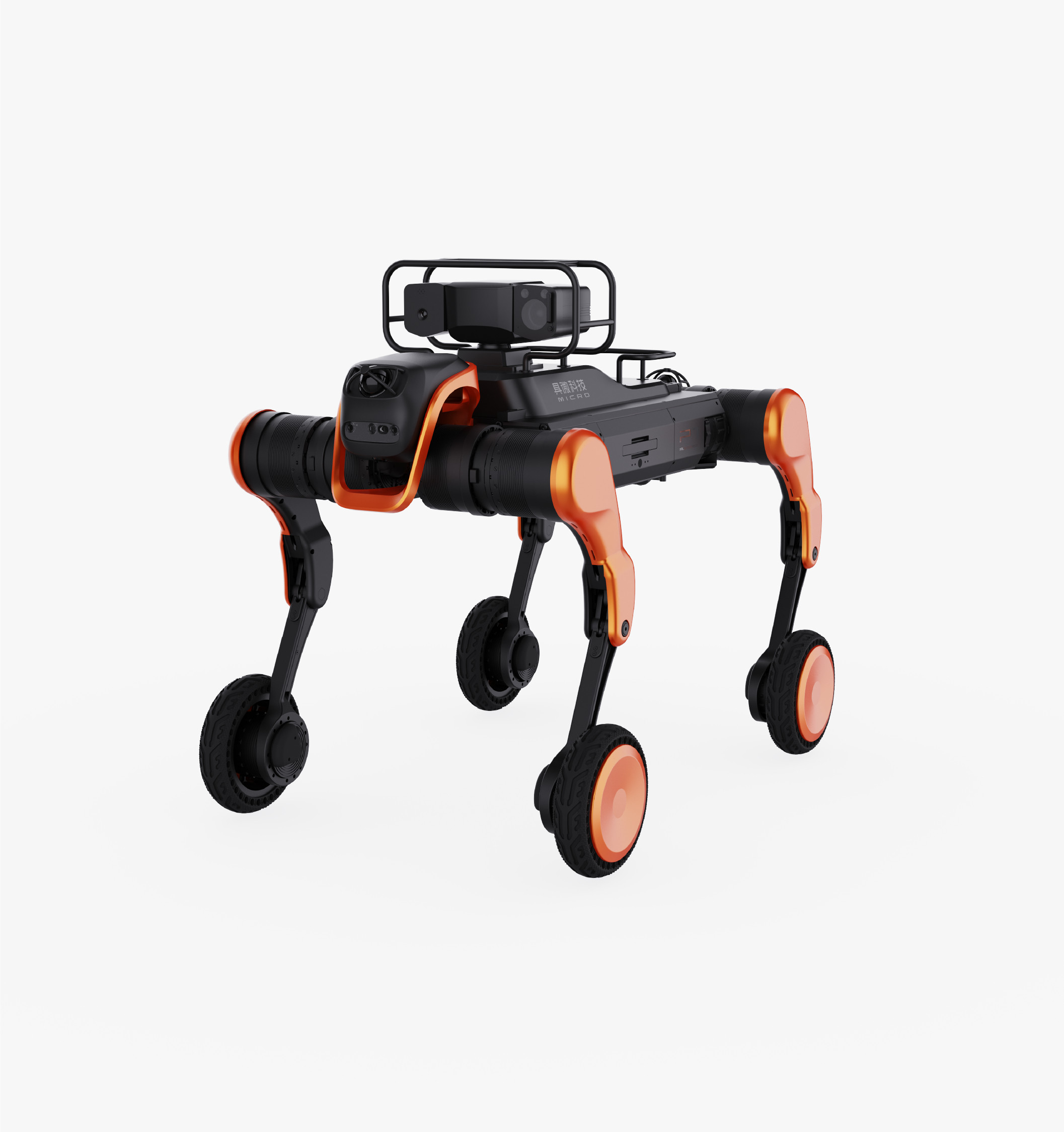
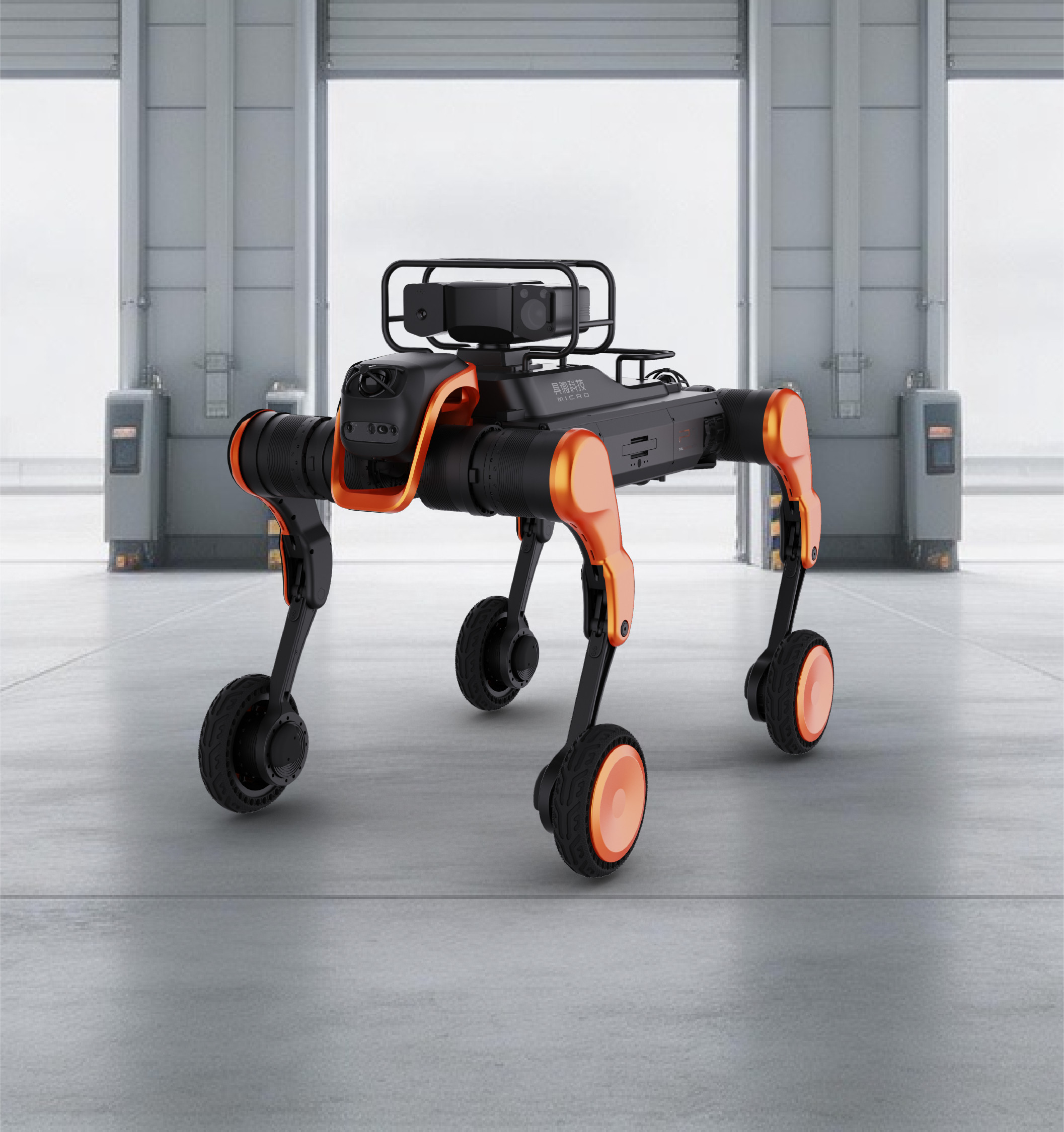
Visible & Thermal PTZ Camera
It features thermal and visible light imaging, AI recognition, fault detection and analysis, and supports auto-focus.