Intelligent Medical Service Solution
I. Solution Overview
A Safe, Efficient and Intelligent Expert for Full-Domain Medical Inspection and Emergency Response
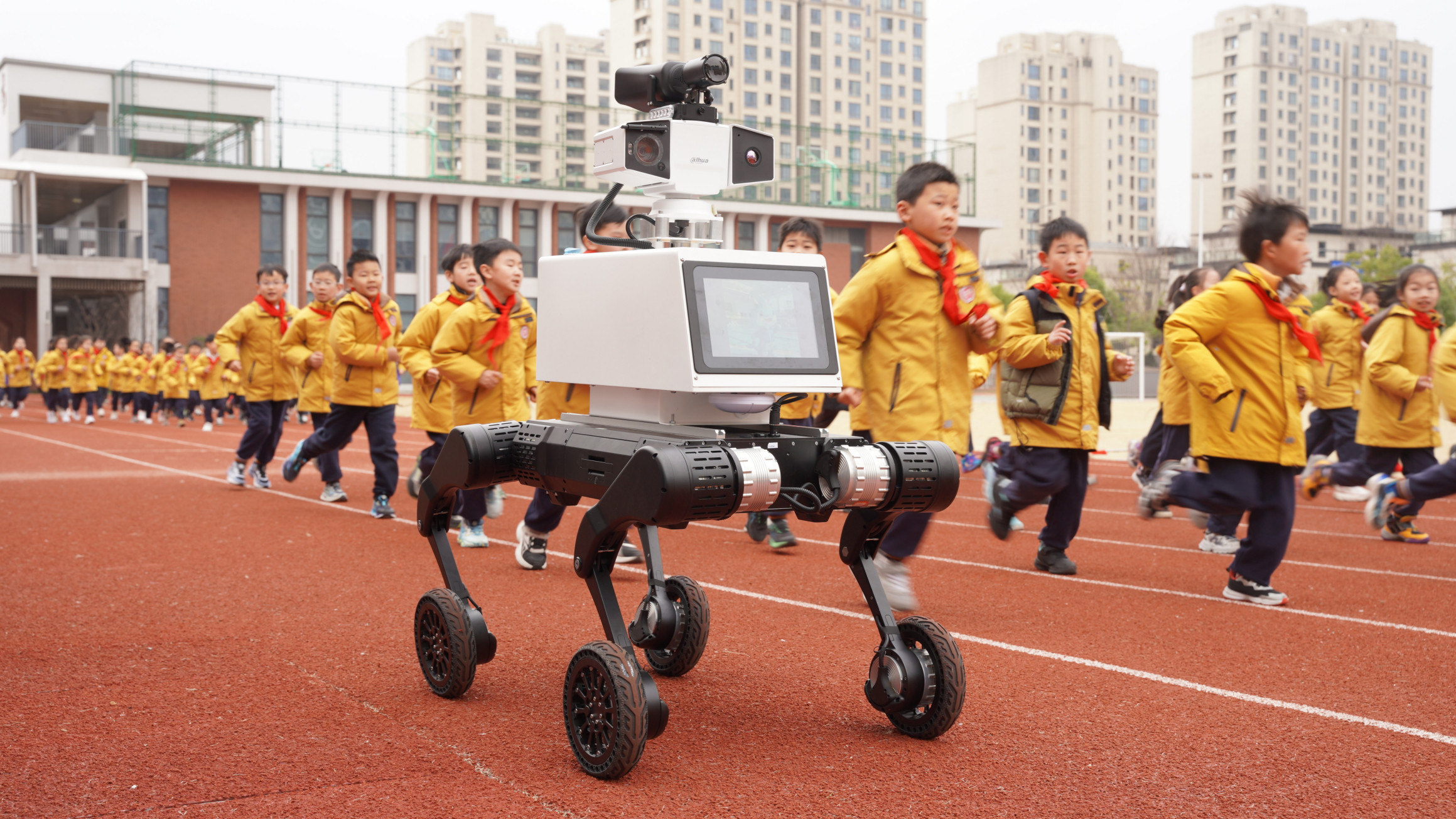
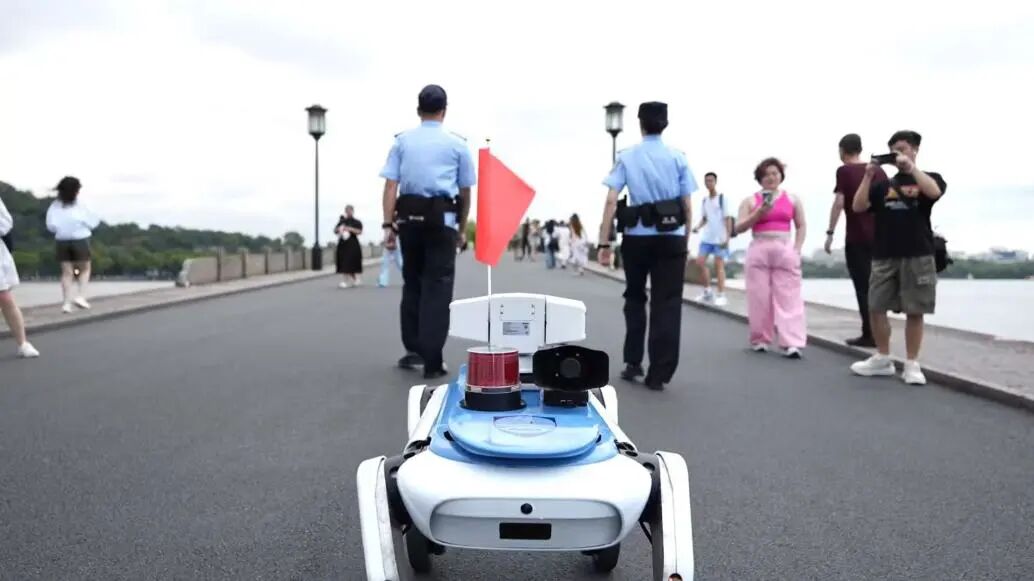
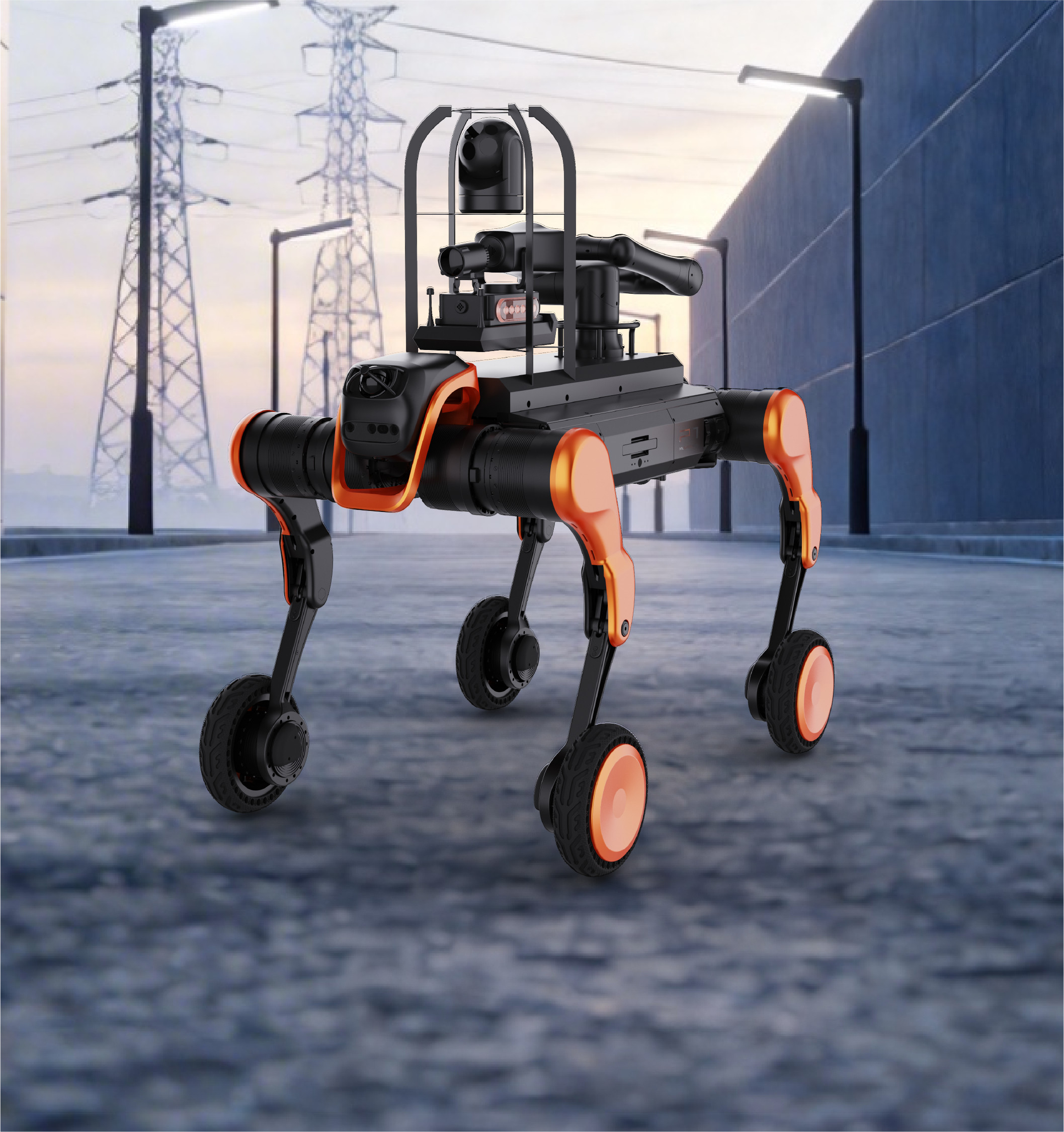
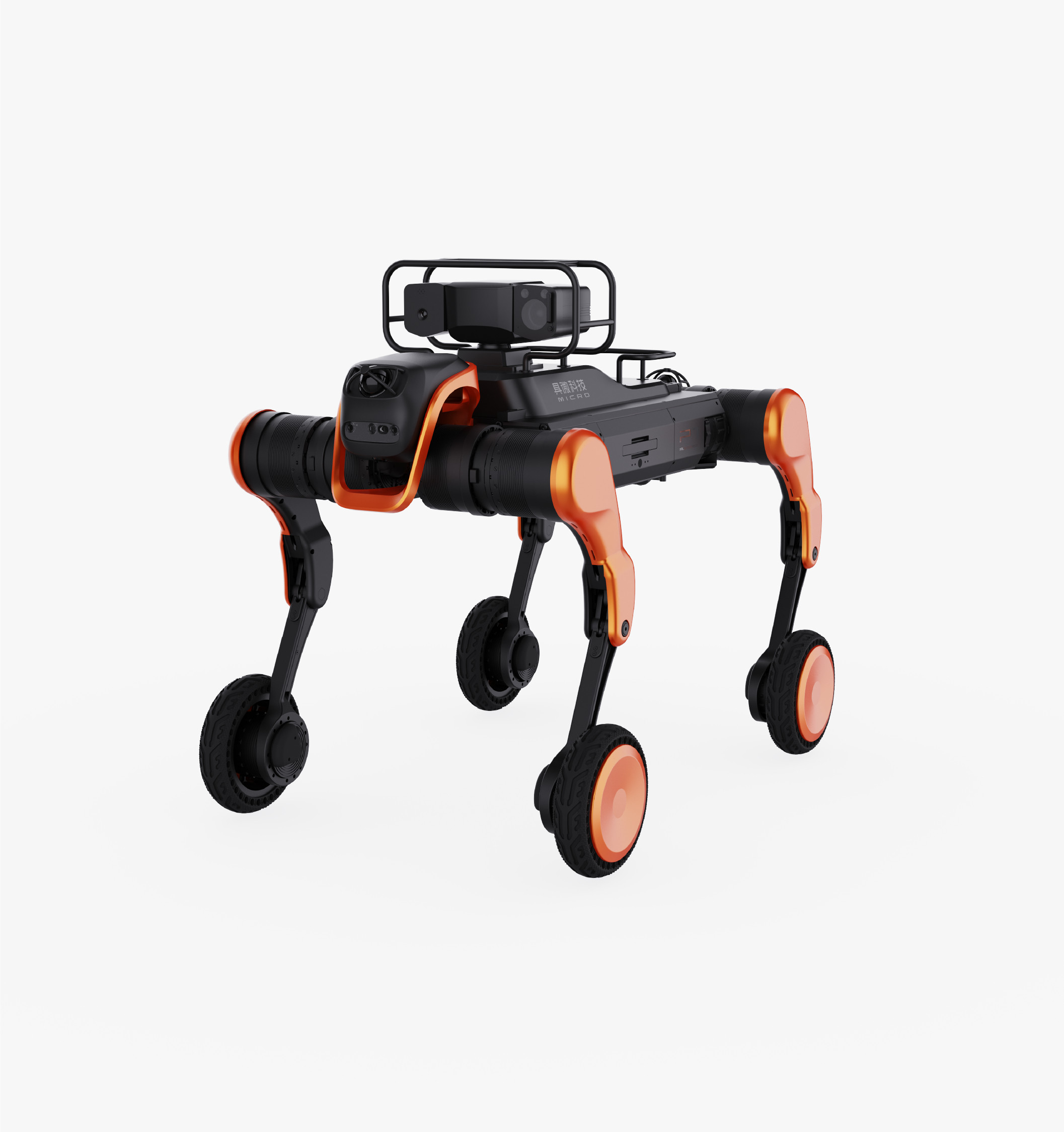
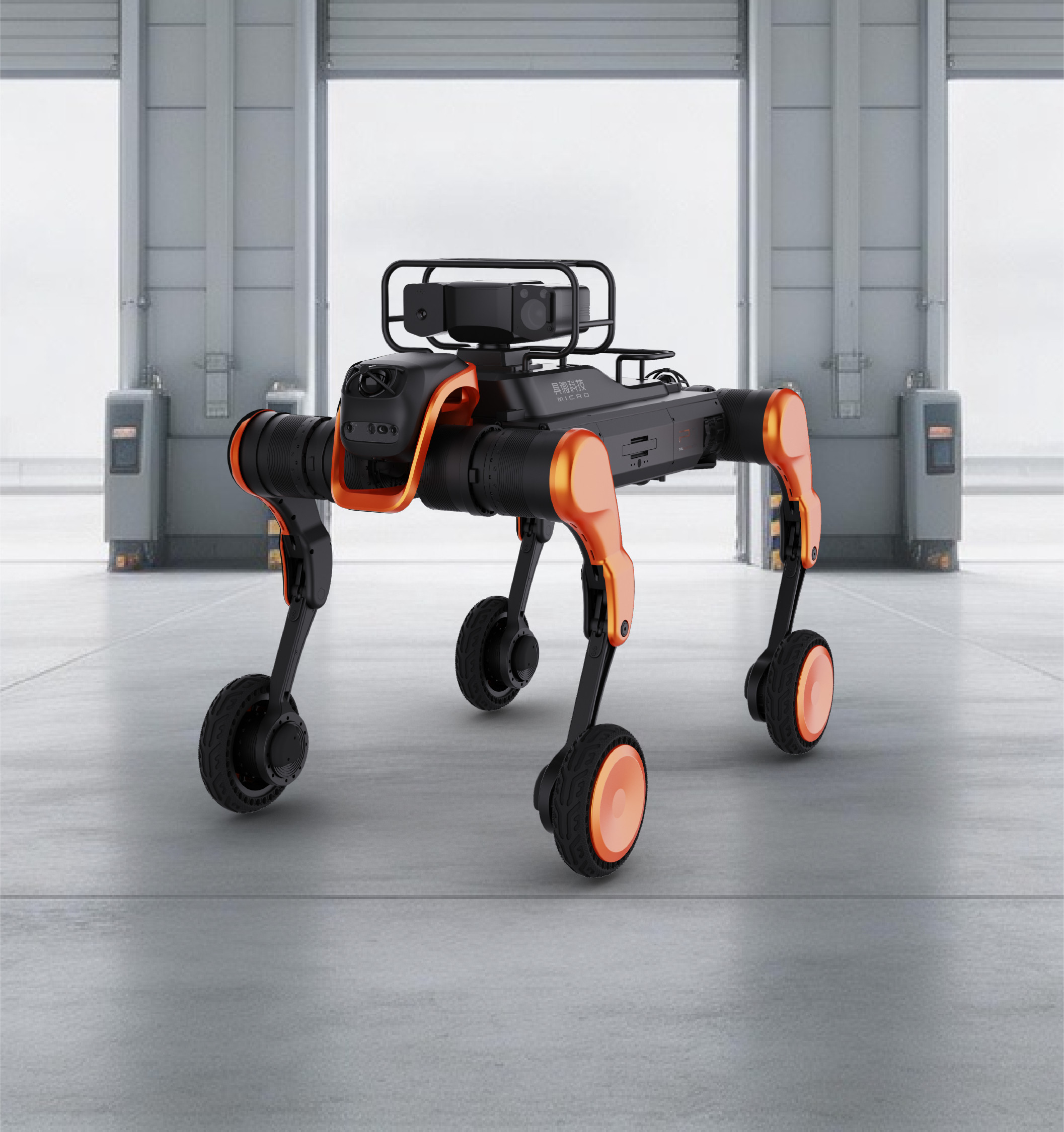
To address the core challenges of hospitals, including complex environments, high safety requirements, extensive inspection areas, and high pressure for emergency response, this solution is built around Micbot’s wheeled quadruped robot dog. It establishes a smart hospital inspection and emergency system featuring all-terrain mobility, multi-modal perception, AI early warning, and human-robot collaboration, enabling all-weather autonomous monitoring and rapid response for equipment status, environmental safety, and personnel behavior. This helps hospitals enhance safety management, reduce operational risks, and protect the safety of patients and medical staff.
1. Full-Campus All-Terrain Autonomous Movement: Full Coverage Without Blind Spots
High-robustness omnidirectional mobility integrates bionic joint design and wheeled drive, supporting movement on slopes from -20° to 50° and crossing 15cm steps. It can access stairwells, equipment mezzanines (40cm width) and other blind spots for traditional robots, realizing full-coverage inspection in complex areas such as emergency passages and underground equipment rooms.
Multi-modal autonomous navigation and obstacle avoidance are equipped with LiDAR and visual SLAM systems, achieving centimeter-level positioning accuracy. It dynamically plans paths in crowded areas with beds and wheelchairs, identifies and avoids obstacles within milliseconds, ensuring safe and smooth movement.
7×24-hour uninterrupted operation adopts a quick-release dual-battery design, supporting 1-minute hot-swap and wireless charging. Combined with infrared thermal imaging and ToF night vision technology, it enables autonomous night patrols in dark environments, ensuring non-stop hospital safety monitoring.
2. Intelligent Perception and Hospital-Wide Collaboration: Building a Proactive Safety Management System
The integrated intelligent monitoring and scheduling platform integrates infrared thermal imaging, 4K video, gas sensors and voiceprint recognition. It simultaneously monitors abnormal equipment temperature, harmful gas leakage (VOCs, formaldehyde, radiation) and abnormal equipment noise. Data is synchronized in real time with the hospital’s security and building automation systems for proactive prevention and closed-loop management.
Full-process visibility and traceability are realized through a digital twin 3D model of the hospital, displaying the robot’s position, equipment status and environmental parameters in real time. Abnormal events such as falls, violence and overheating automatically trigger SOS alarms with location pushes to the security center, forming a digital archive of “event recording – handling – feedback”.
Flexible and convenient human-robot interaction supports bilingual voice interaction and basic responses to patient inquiries. Pediatric wards are equipped with child-friendly interactive screens and games to relieve anxiety and improve cooperation during treatment.
II. Core Values: Improving Medical Safety, Efficiency and Experience
1. Enhance Medical Safety and Quality
Reduce nosocomial infection and cross-risk with corrosion-resistant body in operating rooms and ICUs, with optional UV disinfection modules for contactless inspection. Aerosol tracking and ventilation linkage prevent pathogen spread.
Ensure equipment and environmental safety through non-contact monitoring of key equipment (MRI, power cabinets) with 0.05℃ thermal imaging and ppm-level gas detection, predicting faults 48 hours in advance and reducing fire and downtime risks.
2. Free Up Clinical Staff for Core Medical Services
Relieve medical staff from high-risk patrols by replacing humans in infectious wards, radiology departments, underground pipe galleries and other dangerous areas, avoiding exposure to pathogens, radiation and toxic gases.
Reduce security and logistics pressure: one robot equals the workload of 3–4 security guards, greatly cutting labor costs and allowing staff to focus on emergency command and core tasks.
3. Optimize Operational Efficiency and Management
Greatly improve emergency response: AI completes 98% of image analysis locally, with suspicious event response within 200ms. The robot travels at 5m/s, cutting response time by over 60% for critical incidents.
Refined and data-driven management: automatic standard inspection reports and deep learning analysis of historical data support predictive maintenance and safety decision-making.
4. Improve Patient and Staff Experience
Enhance patient satisfaction: pediatric interaction improves cooperation by 55% and reduces pain scores by 2.3 points. Night inspection operates below 40dB to avoid disturbing rest.
Build a modern hospital image: cutting-edge robotics demonstrates innovation in intelligent safety and humanized service, enhancing brand reputation.
III. Widely Adaptable Medical Inspection and Emergency Scenarios
Key equipment and environment inspection: Power cabinet overheating warning, generator room CO monitoring, radiology radiation leak warning, ICU/ventilator status monitoring.
High-risk and special areas: Contactless inspection in infectious/isolated wards, sterile operating room inspection, narrow-space exploration in mezzanines and pipe galleries.
Public area safety: Crowd monitoring in outpatient halls, violence identification and evidence collection, night restricted area intrusion alerts.
Emergency response: Fall detection within 5 seconds, early fire detection, emergency medicine and AED delivery.
Pediatric & VIP services: CBT-based treatment companionship, remote ward rounds, contactless temperature screening.
Intelligent Medical Module
Empower your business with Micbot robotics
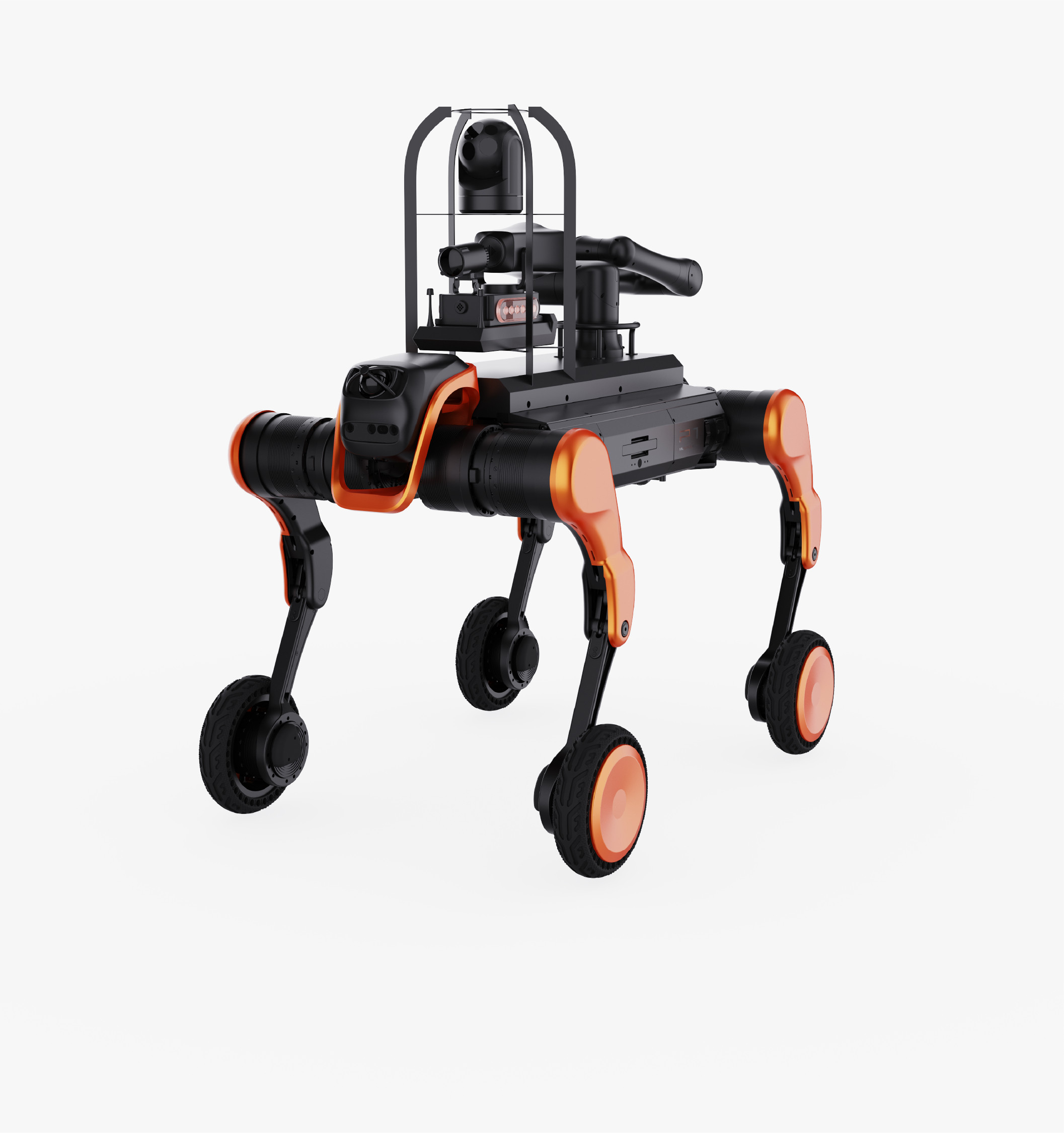
Integrated Operation System
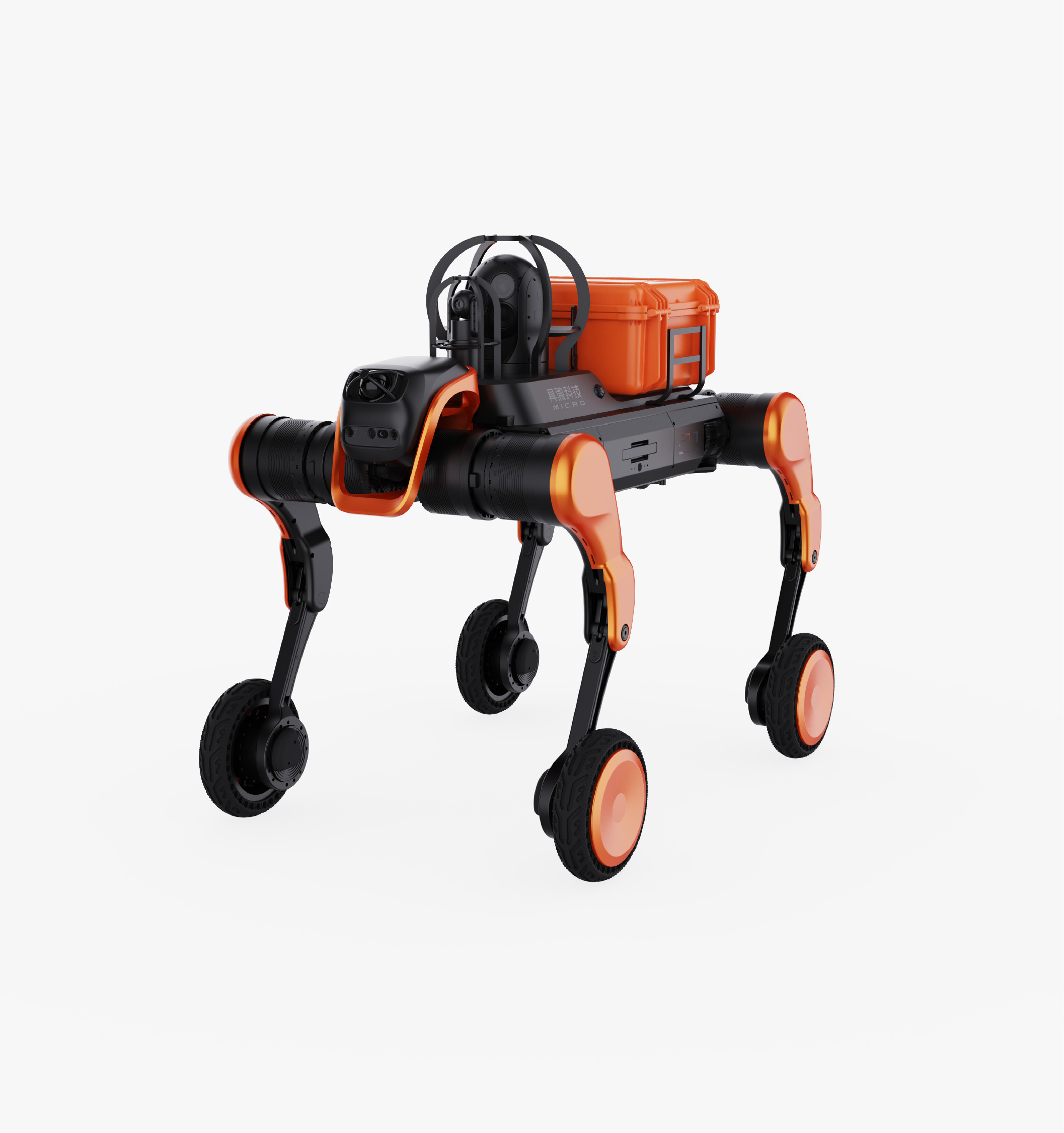
Pan-Tilt-Zoom (PTZ) Camera
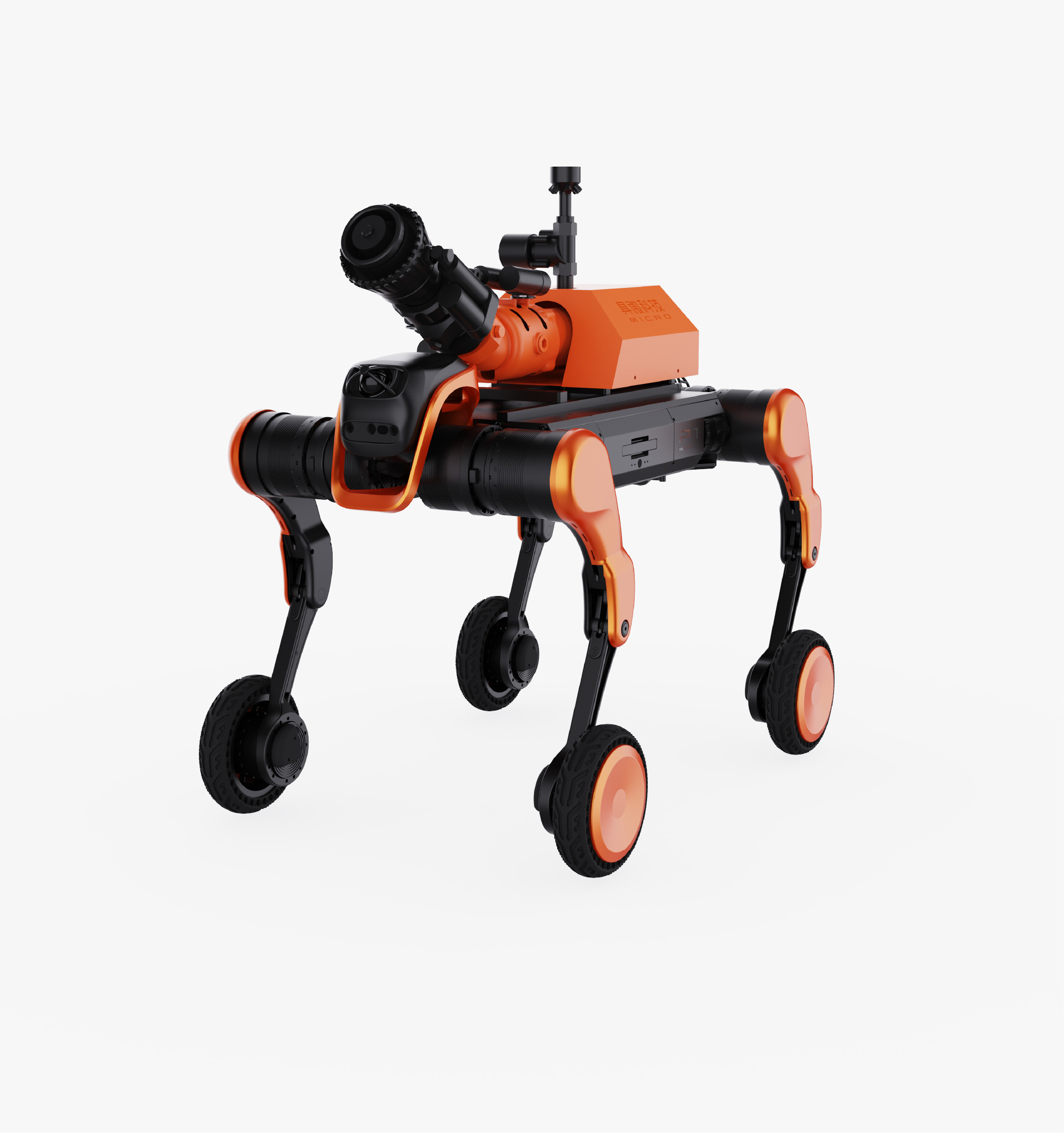
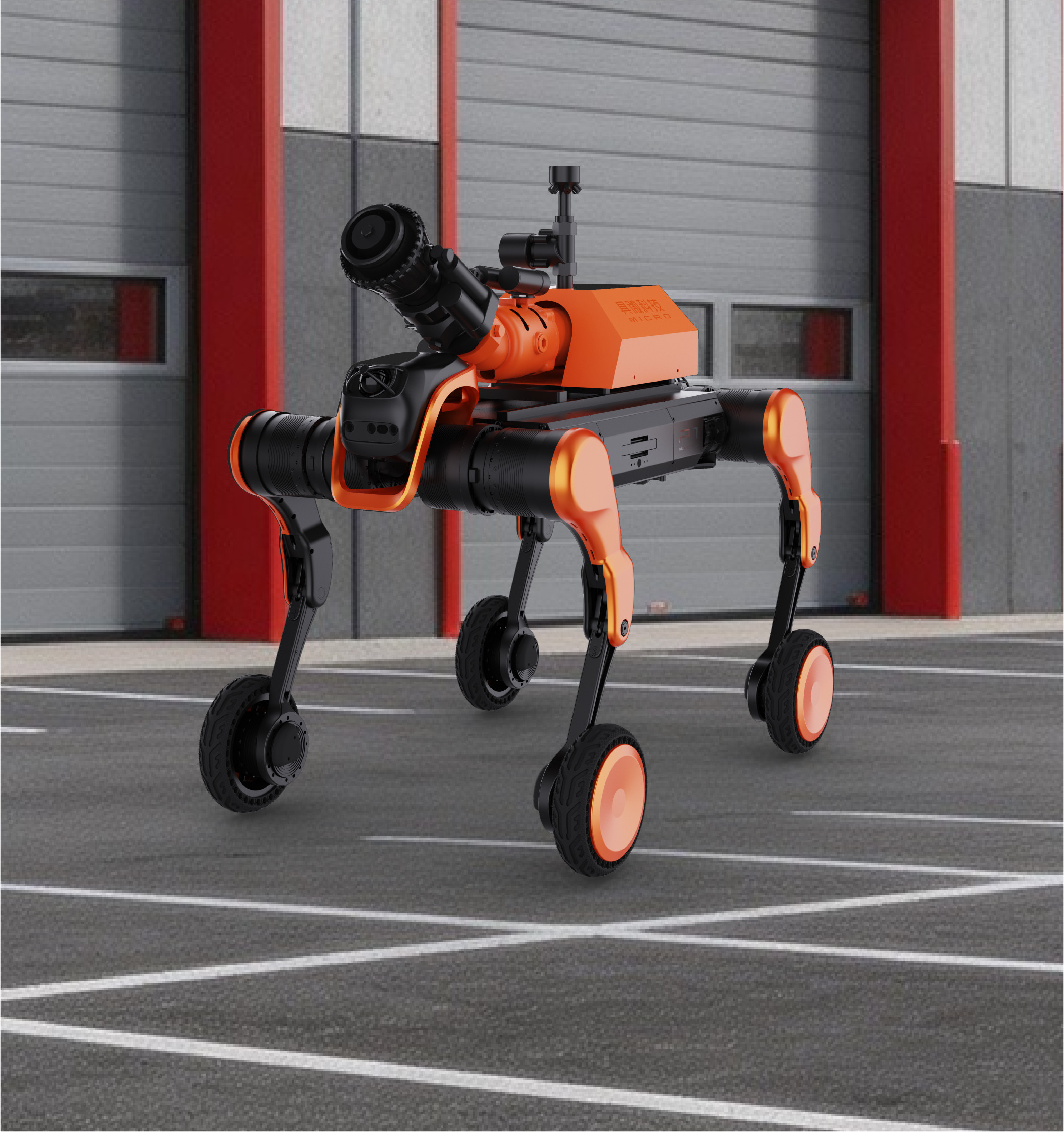
Fire Water Cannon
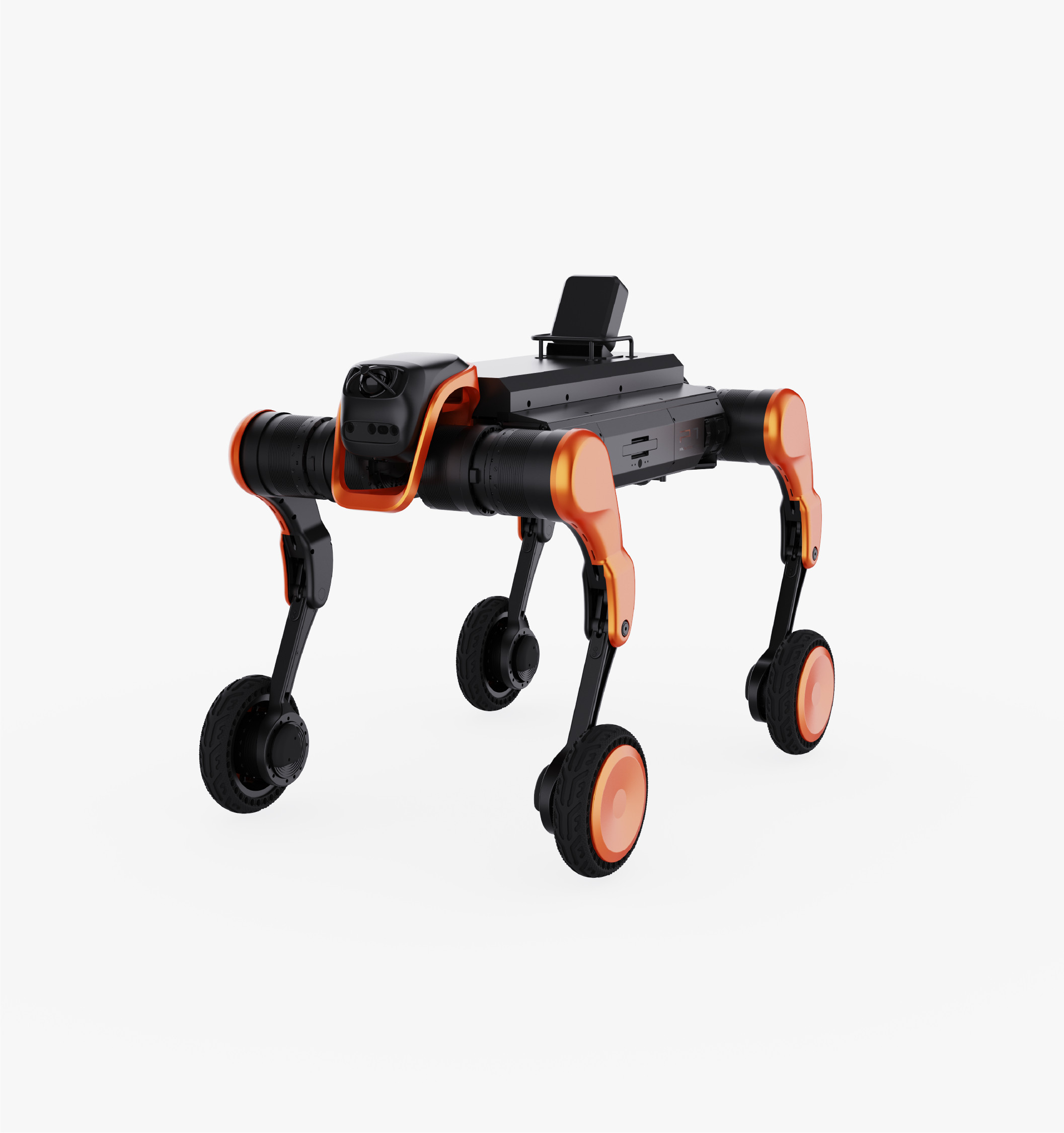
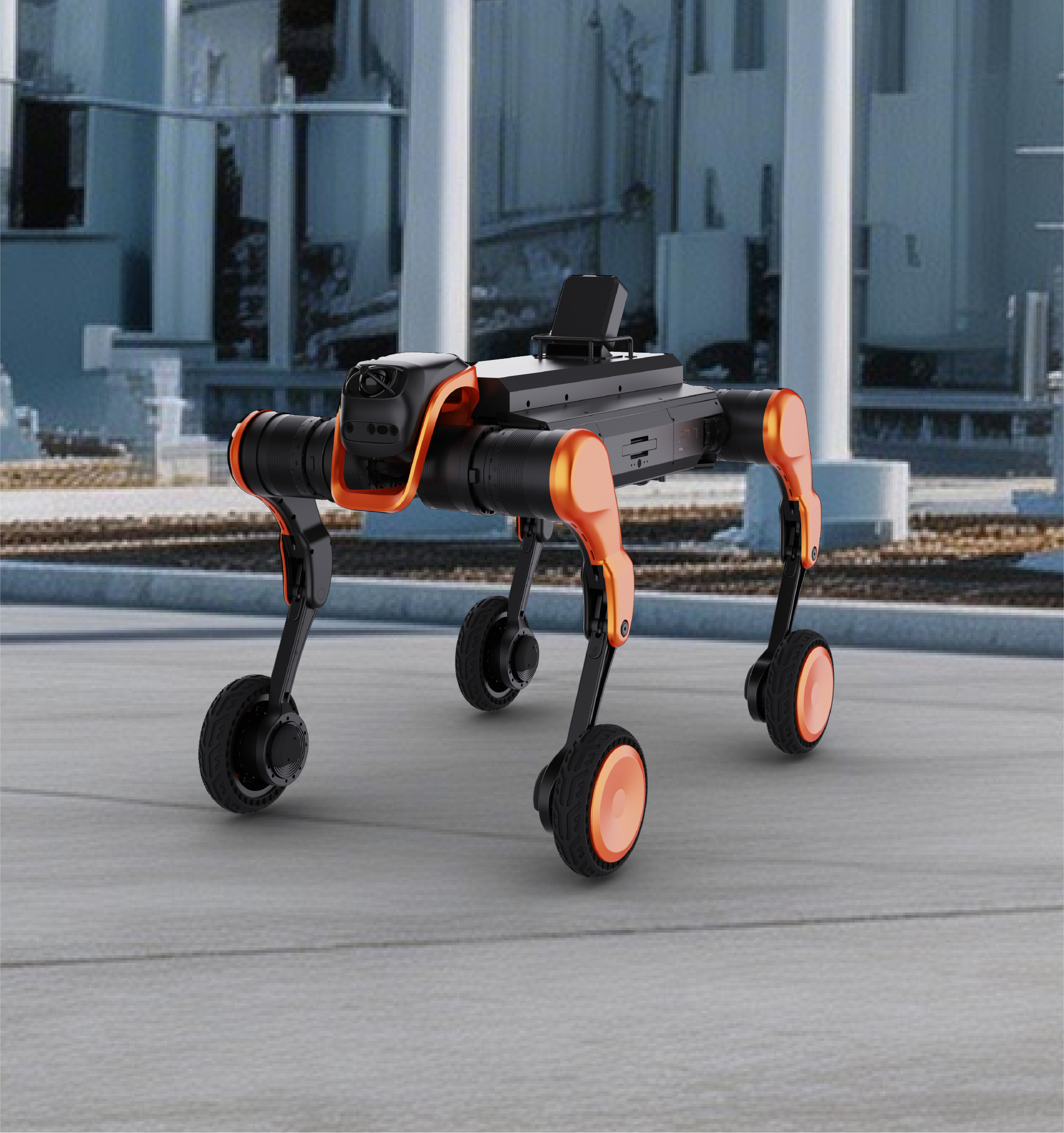
Serves as the navigation host and handles mission-critical program processing, providing mapping, navigation, and positioning functions.
Voiceprint Camera
It enables precise sound source localization and accurate identification of multiple partial discharge (PD) types—including corona, surface, and floating discharges—for rapid troubleshooting.
Robotic Arm
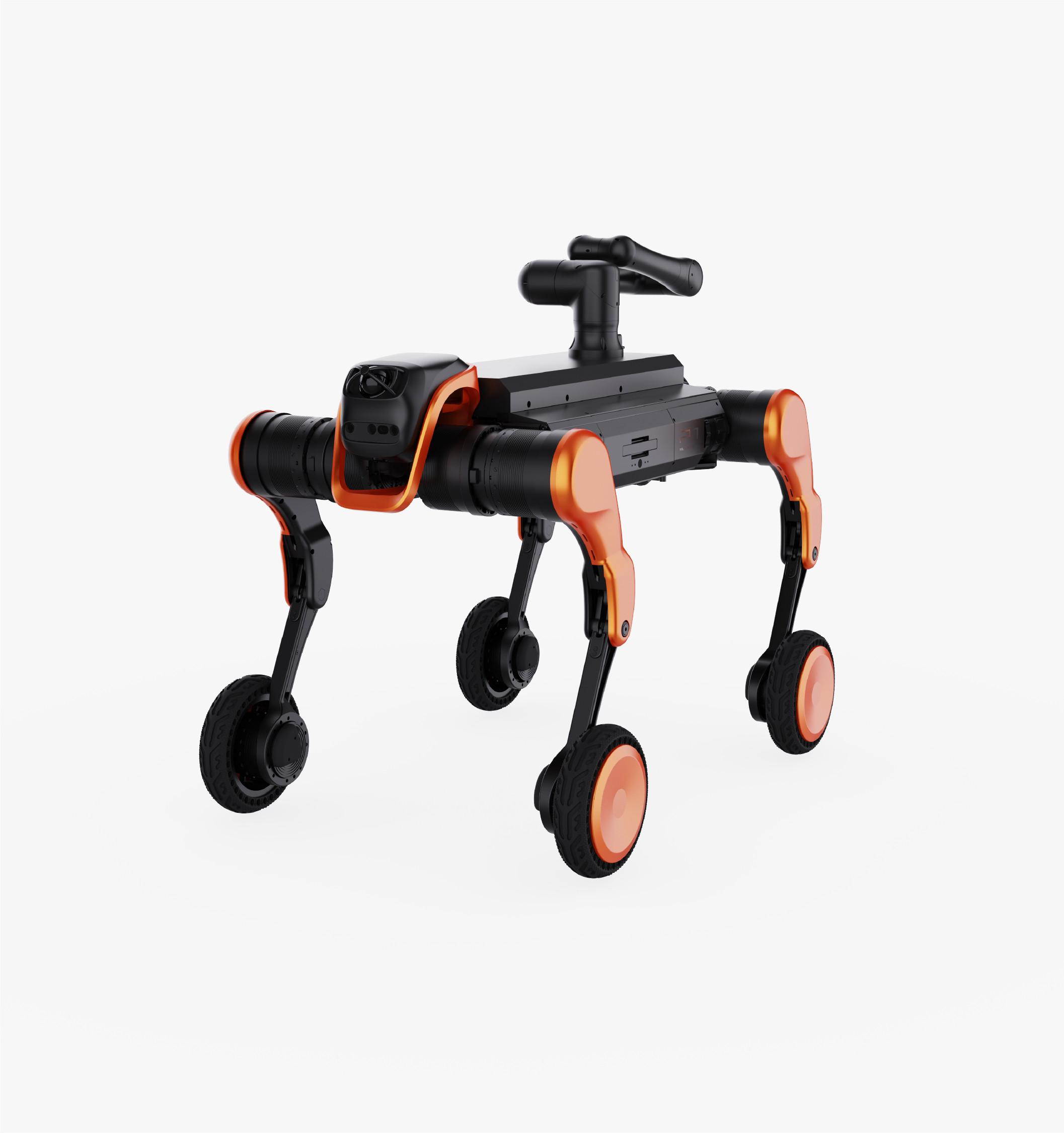
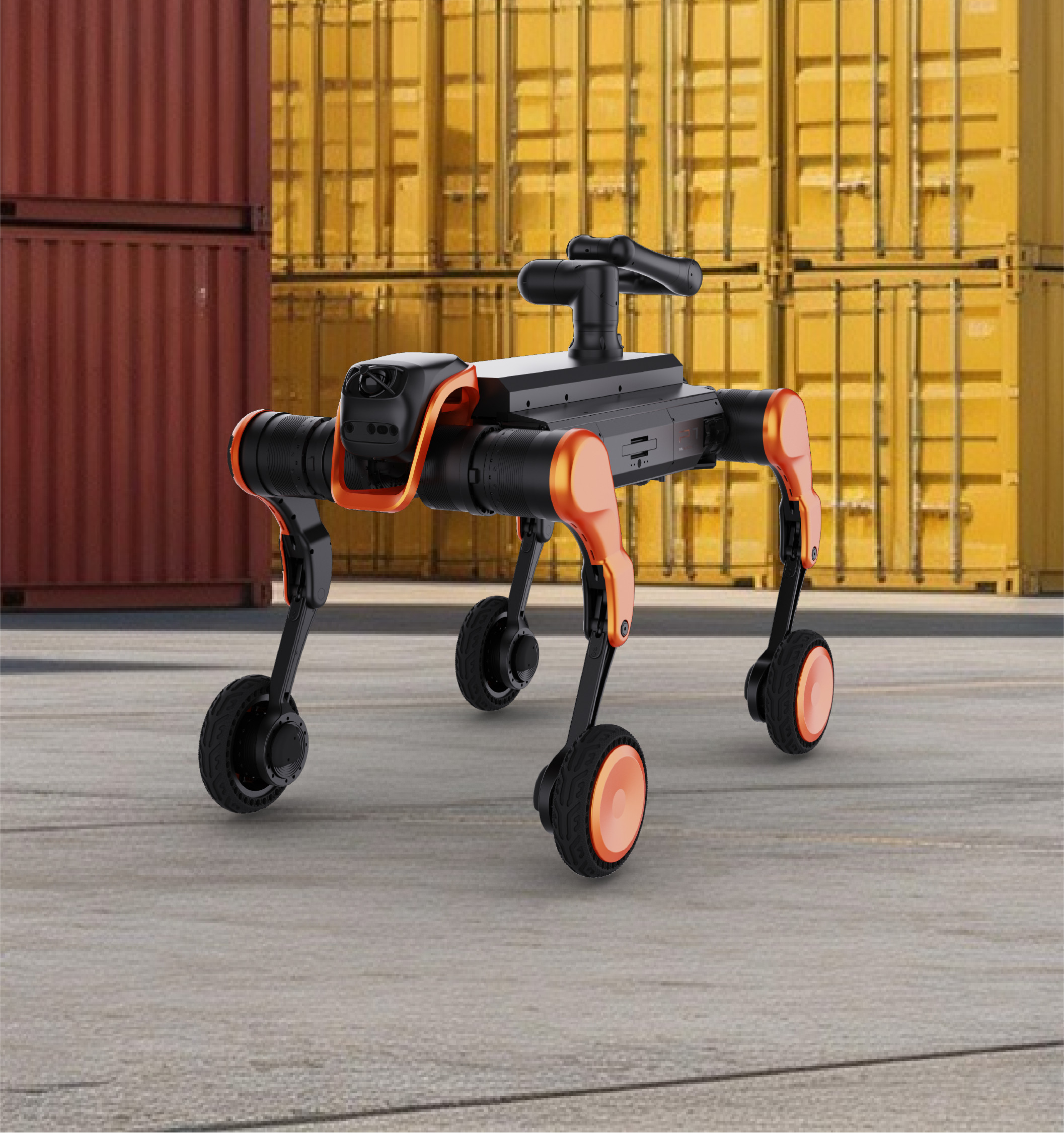
It can be equipped with end effectors such as cameras and grippers, enabling remote grasping, door opening/closing, and object retrieval.
Visible & Thermal PTZ Camera
It features thermal and visible light imaging, AI recognition, fault detection and analysis, and supports auto-focus.